Key Takeaways
- On the 13th anniversary of Rana Plaza, we must recognize both the progress made and the work that remains unfinished.
- Purchasing practices are a critical part of creating safer, more stable, and more equitable supply chains.
- Better Buying enables a buyer-supplier feedback loop that helps companies understand how purchasing practices are experienced by suppliers through confidential, anonymized feedback and benchmarked insights.
For those with careers in fashion and consumer goods, the name Rana Plaza is unforgettable.
Just 13 years ago, this devastating factory collapse claimed 1,134 lives and injured several thousand in Dhaka, Bangladesh. Out of it came a new vision of garment worker protections in the form of the landmark Bangladesh Accord.
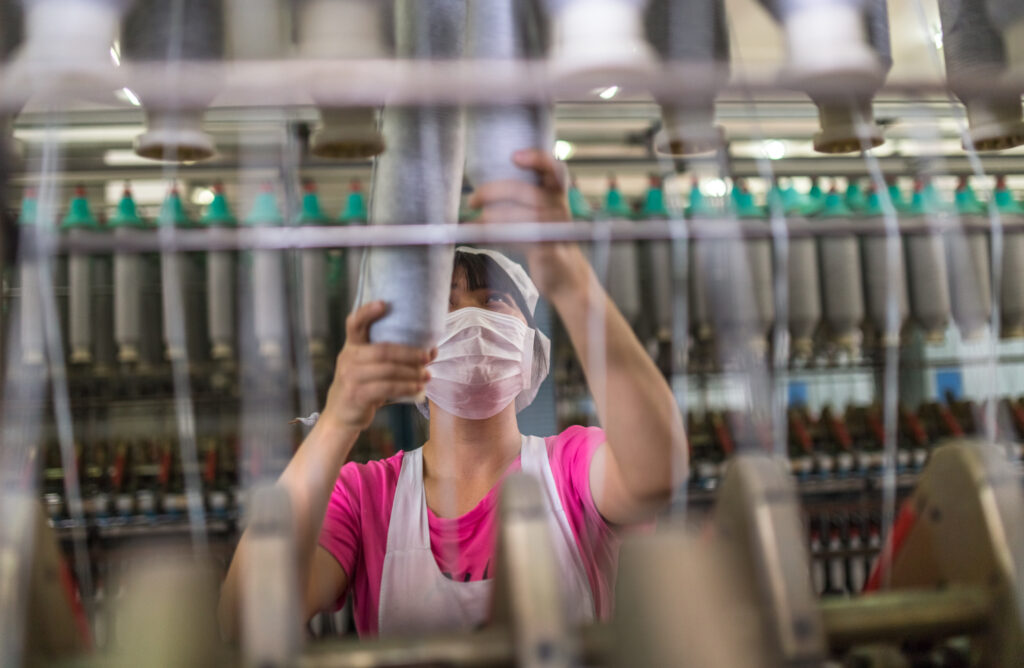
A turning point for the industry, the Accord paved the way for brand accountability and responsibility never before seen. It helped establish a stronger foundation for worker safety, well-being, and protections for the most vulnerable. This remains especially important because women of color make up the majority of the garment workforce.
After the Bangladesh Accord’s expiry came the binding International Accord and successor agreements like the Pakistan Accord (renewed in January) with over 100 global brand and trade union signatories, many of whom are Cascale members and Better Buying subscribers.
Like its predecessor, the Pakistan Accord supports continued progress on fire, electrical, structural, and boiler safety in factories, while also strengthening worker awareness, complaint mechanisms, and other protections. The International Accord has also continued to evolve in response to emerging risks, including the growing urgency of heat stress in production environments.
Today – as always, workplace safety standards and protections are essential. And when we talk about protecting workers, we also need to talk about the purchasing decisions that shape conditions throughout global supply chains.
When it comes to purchasing practices, Cascale’s Better Buying captures this information directly from the source: suppliers.
Now in our 10th survey cycle for Better Buying Purchasing Practices Index (BBPPI), we’ve captured how the seven categories of purchasing practices influence supply chains in reality. Last year’s survey, again, reaffirmed that repeat Better Buying brand subscribers outperform the benchmark. Across areas like planning and forecasting, design and development, cost and cost negotiation, sourcing and order placement, payment and terms, and buyer-supplier management, Better Buying continues to show that commercial decisions directly influence stability, trust, and working conditions in supply chains.
That is why responsible purchasing practices are a core part of decent work.
Through confidential, anonymized supplier feedback, 1,360 suppliers participated in Better Buying last year. Their input helps create a clearer picture of how purchasing practices are experienced in reality and where change is still needed.
Because to truly honor the past and the improvements made, we must continue to take an active role in driving accountability for our collective future. If we want supply chains that are safer, more stable, and more equitable, factory safety protections must continue, and so must the work to improve the purchasing practices that shape outcomes every day. Thirteen years after Rana Plaza, that responsibility remains with all of us.
As we reflect on this anniversary, supplier voice remains essential to continued progress. If you are a supplier that has worked with a buyer in the past 12 months, we encourage you to share your experience (entirely for free and anonymously) through the Better Buying Purchasing Practices Index (BBPPI). First-time participants can submit here. And if you are returning to Better Buying, please proceed to this gateway.
Only together can we ensure that fairness in this industry extends to every stakeholder.