The first 100 days were less glamorous than LinkedIn posts can make them look: financial stewardship, board governance, sharper priorities for the second half of the year, facing long-standing issues directly, listening hard, and engaging system thinkers to understand where Cascale can contribute most. In those early days, I also joined C-suite leaders at Stanford who are wrestling with the same challenge: how to turn ambition into action.
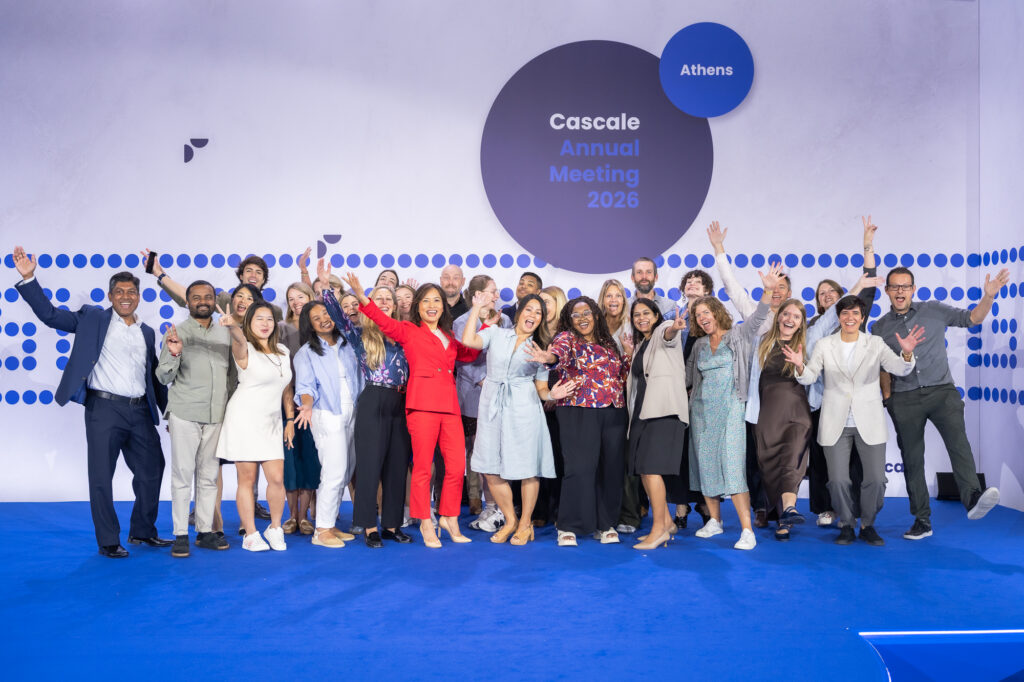
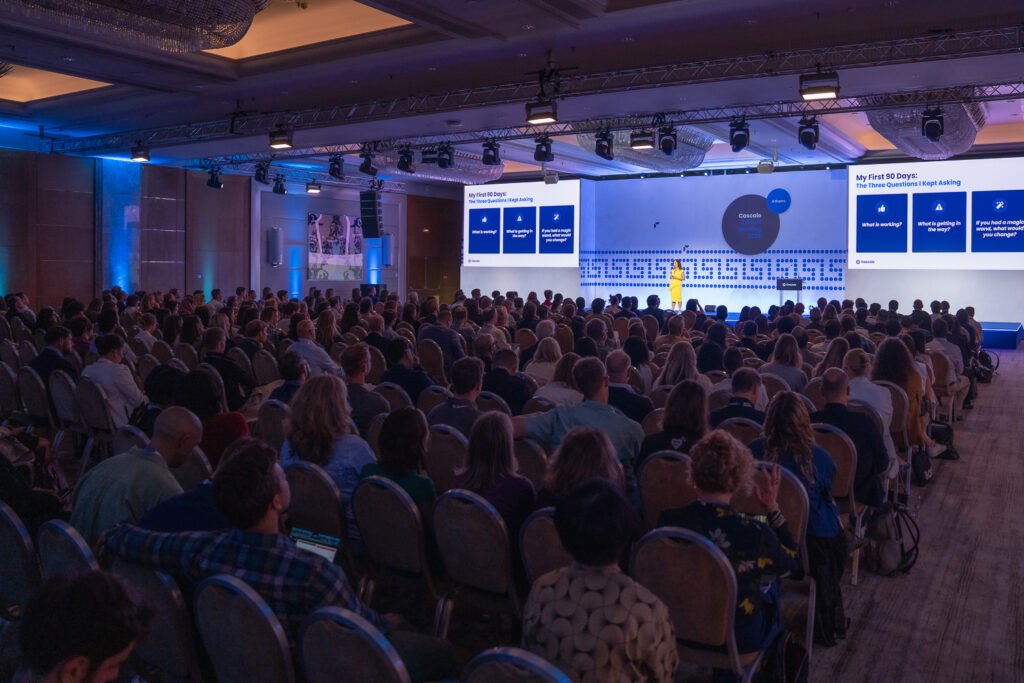
Then came the two weeks that closed the chapter: my first Cascale Annual Meeting, with 600 of you in Athens and online, confronting a question that does not flinch:
Value Chain Transformation: Who Pays, Who Profits, and What Changes?
And then New York Climate Week. My highlight there was a small dinner with members and partners, in a room quiet enough for people to say what was really on their minds. That, to me, is where progress begins: in honest rooms, well before polished statements or perfect alignment.
I have carried a tension since I was a 15-year-old, long before I knew I would lead an organization built to address it. This industry has enormous power to lift families out of poverty. And, if we are not careful, it can leave real costs behind — in the water, the air, and the health of the people who make what the rest of us wear and use every day.
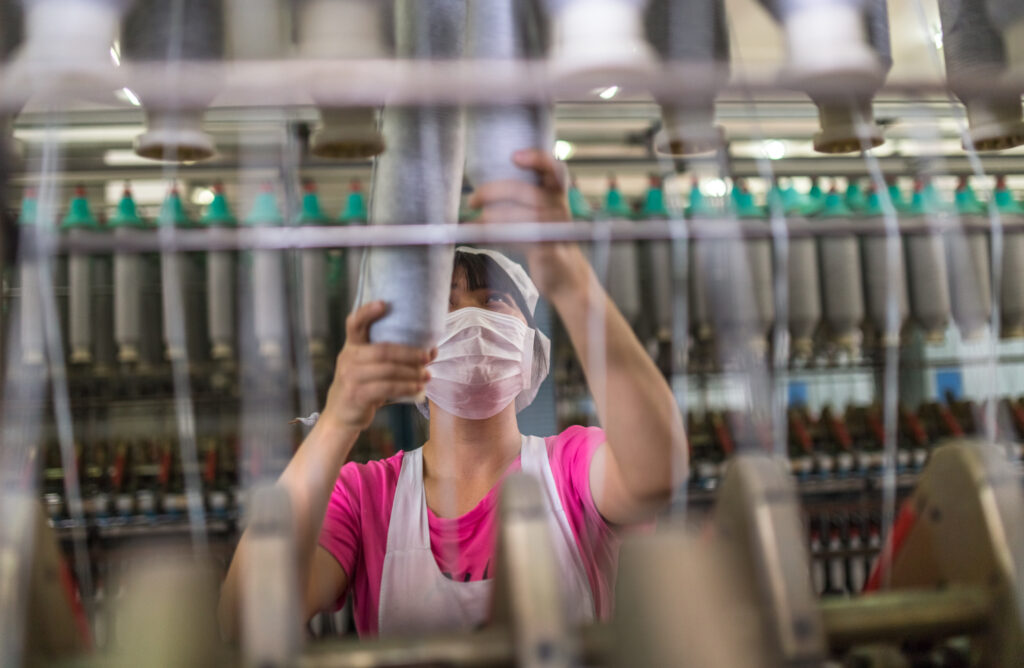
I grew up watching both in one small textile town in China. Factories arrived with jobs. Electric light replaced oil lamps. My father could finally afford a new shirt instead of patching the old one yet again.
Then, slowly, the river changed color. The sky grew heavy with smog. My parents coughed through winters that did not use to make people cough.
I was a teenager holding both truths at once: industry as opportunity, and industry as responsibility. I have never stopped holding both.
That is why, in Athens, I opened with that story instead of a strategy deck — you’re welcome. It is the most honest answer to why I am here.
Over the past 100 days, I have listened — to the team, to members, to partners, to allies and to skeptics alike. Nearly 150 conversations across the value chain, often anchored in the same three questions:
- What is working?
- What is getting in the way?
- If you had a magic wand, what would you change?
Your answers were clear.
You value Cascale’s convening power: a community that spans the value chain, connected by the Higg Index, shared data powered by Worldly, and relationships built over more than 15 years.
None of this starts from zero. Coming out of tech — not exactly an industry known for handing out compliments freely — I am in awe of what already exists here: 15 years of Higg Index data, a technology layer built by Worldly, and shared infrastructure at a scale few industries have managed to build. Inside that system sit numbers that should stop us in our tracks:
- 200 million metric tons of carbon emissions — 2.8 times Greece’s annual total.
- 3.5 trillion liters of water — enough drinking water for nearly two billion people for a year.
- 14 million livelihoods.
Behind those numbers sits an enormous responsibility.
As I said in Athens, and again in New York: a thermometer can tell you that you have a fever, but it cannot cure you. For 15 years, this industry has built one of the most important thermometers it has ever had. Now our job is to help turn measurement into treatment: insight into collective action, and collective action into results.
You also told me, clearly, what needs to change:
- Too much fragmentation — too many players, projects, and parallel efforts.
- Too much data without enough action.
- Manufacturer voices still not heard strongly enough.
- Cascale and Worldly roles need to be clearer.
- Members need a sharper value proposition they can explain internally — including to their CFOs.
Manufacturers asked us to treat them as partners, and to do more than measure them. Brands and retailers asked for data they can trust, and for help acting on it together.
Some of this is needed now: clearer strategy, clearer value, clearer roles, and practical improvements members can feel. Some of it takes longer: less fragmentation, data turned into decisions, a big tent, manufacturers at the table, and collective action that changes outcomes.
I heard you, and the short-term work is not waiting on the long-term answer. Here is what you asked for, what we are doing this quarter, and where it leads. The full Q4 calendar is on Cascale Connect.