I highlighted that the post-Covid-19 acceleration of collaboration by multi-stakeholder initiatives and other industry stakeholders in seeking solutions marked a new era in which profit maximization at the expense of workers is no longer accepted. Today, organizations are increasingly expected to embed ethical values at their core.
I lauded the progress made across the industry to achieve an agreed, industry-wide definition of responsible purchasing practices, but cautioned that the real foundation for promoting ethical behavior required embedding responsible purchasing within companies’ business operations.
“There is opportunity for brands to simultaneously profit and remain ethical,” I said at the time, “but it requires a shift in behavior centered around responsible purchasing practices.”
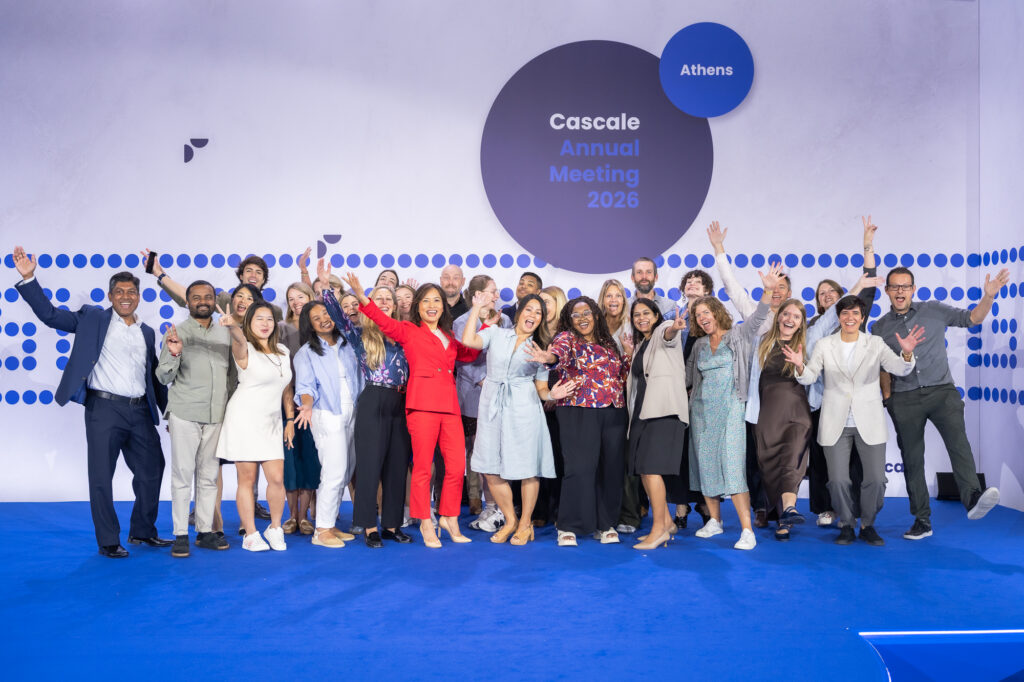
In the year since I wrote those words, Better Buying has become part of Cascale, the global nonprofit alliance representing 300+ of the biggest brands and retailers operating in the apparel industry today, and has placed responsible purchasing practices at the center of achieving its strategic goal of Supporting Decent Work for All.
This development presents brands and retailers, including Cascale’s members, with broader access to existing tools such as the Better Buying Purchasing Practices and Partnership Indexes which may help advance responsible purchasing practices at scale and hopefully eliminate the need for the Ethical Denim Council.
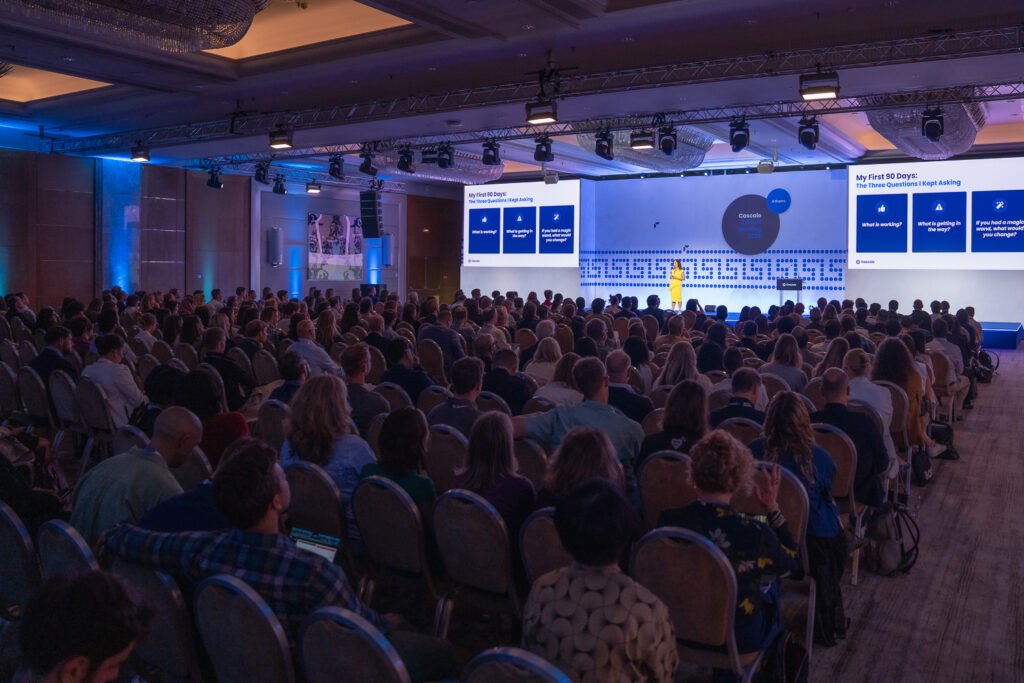
In June, I had the pleasure to speak at the Innovation Forum’s Sustainable Apparel and Textiles Conference in New York, alongside Joleen Ong, Cascale’s senior director of brand and retailer membership, and Annie Agle, vice president of impact and sustainability at Cotopaxi. We discussed how brands can navigate responsible sourcing within a global trade and sourcing that’s evolving at an unprecedented rate.
Similarly, Joleen and I will convene again at Climate Week NYC for a Cascale organized session at the “The Climate and Nature Studio” (a first-ever convening with apparel alliance and fashion industry collaborators). The session also includes Nim Deshpande, managing director, Good Business Lab (which spun out of India-based Shahi Exports) and Evre Kaynak, sustainability specialist, human rights due diligence subject matter expert, W.L. Gore & Associates. This panel conversation will unpack the intersections of climate change, adaptation efforts, and the ripple effects on social and labor rights. I’ll assert that the climate disasters, disruptions, and ongoing tariff battles reshaping the environment actually provide procurement teams with a unique opportunity to craft strategies that streamline supply chains to build resilience, and drive sustainability with responsible purchasing practices integral to this new paradigm.
Interestingly, Better Buying’s research has shown us that, even amid global shocks such as the Covid-19 Pandemic, brands and retailers that had been collecting supplier data via its surveys for at least two consecutive ratings cycles continued to improve their purchasing practices throughout the pandemic, because they had begun to build the strong, two-way buyer-supplier partnerships required to build in the necessary resilience.
The shifts over the past year, from expanding collaborations to growing research and dialogue, show that responsible purchasing practices are becoming more visible as a part of the industry’s toolkit. Yet, there is still work to do with embedding these practices deep enough to impact the day-to-day business operations. As brands move in this direction, they reduce the risk of unethical behavior and the need for the EDC to exist but achieving lasting change will require consistent efforts, transparency, and accountability. Progress has been made, yet responsible purchasing practices are not yet the norm presenting a challenge and an opportunity to define the industry’s next chapter in a more positive direction.
About the Ethical Denim Council (EDC)
The Ethical Denim Council is a non-profit organization established in 2022 to address the power imbalance and unethical purchasing practices in the denim supply chain. Through the promotion of their 8 ethical practices and accountability of brands, retailers, importers, and all members of the jeans and denim supply chains’ actions,the EDC aims to make the world of denim a better place. Refer to the EDC website to learn more.
About the Author
Chana Rosenthal is the principal and founder of reDesign Consulting, an apparel focused sustainable business advisory firm. She works with clients on thoughtfully created strategies and frameworks that shift internal business operations to be more sustainable and drive impact across the supply chain. She’s done extensive work with the NYU Stern Center for Business and Human Rights and the NYU Stern Center for Sustainable Business, as well as other organizations and businesses. Prior to consulting, she had an established career in apparel design holding positions at Ralph Lauren, Michael Kors, American Eagle/AEO, and more.
She also serves on the associate council for Delivering Good, a non-profit that distributes excess inventory to those in need through a network of community partners. Chana has an Executive MBA from NYU Stern, specializing in Sustainable Business and Innovation, and Supply Chain Management, and is based out of Brooklyn, NY.