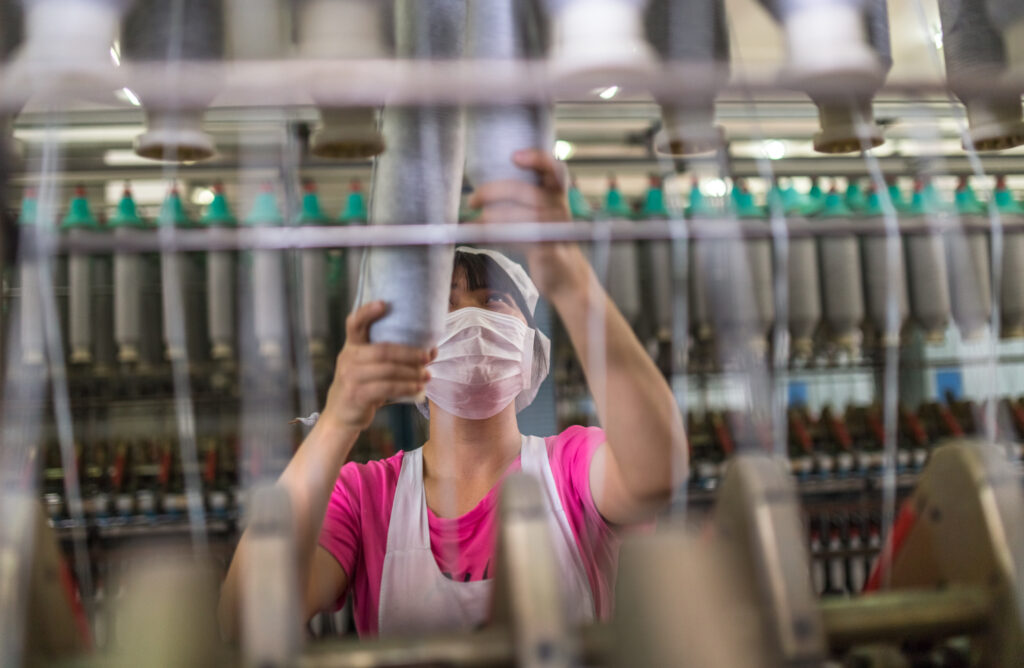
According to the Social and Labor Convergence Program (SLCP), in 2024 alone, over 10,000 facilities completed an SLCP assessment, with 92 percent of assessments identifying at least one non-compliance. Common issues affecting suppliers, and ultimately their workers, relate to health and safety, working hours, and wages and benefits.
For brands, data management is crucial to sustainability goals. A 2024 KPMG sustainability organization survey found nearly half, or 47 percent, of sustainability leaders still rely on spreadsheets for ESG data keeping. The survey included over 500 executives at companies in Europe and North America. By that same survey, some 77 percent of respondents are looking to outsource their sustainability data collection methods and management.
The Path to Standardizing Social Audits
Industry advocates are calling for standardized social assessments as not just a compliance check-box exercise, but as a means for creating true supply chain value and win-win relationships.
In one recent advancement, AI-first supply chain platform Retraced earned its official Passive Accredited Host (PAH) status for SLCP in July 2025, allowing direct integration of verified SLCP assessment data into its platform. Similarly, Cascale’s Higg Facility Social and Labor Module (Higg FSLM) employs the Convergence Assessment Framework (CAF) to enhance human rights due diligence. As a Platinum sponsor at the Cascale Annual Meeting 2025 in Hong Kong, Retraced aims to shed more light on how some companies are taking ownership of their compliance journeys.
“Our collaboration with SLCP is rooted in a shared goal: enabling better working conditions through credible, shared data. We’ve supported SLCP data use for some time, but becoming an official Passive Accredited Host was the next logical step. It formalizes the relationship and ensures data flows directly and securely into the Retraced platform, without manual handovers,” said Lukas Pünder, chief executive officer and co-founder of Retraced.
He spoke to the importance of development, which he will speak more to at the Cascale Annual Meeting this September. “When both sides work from the same verified dataset, it reduces misalignment and unnecessary duplication. Suppliers avoid repeating the same audits and questionnaires. Brands gain clearer visibility and can focus on improvement over inspection. This strengthens trust and shifts the conversation toward long-term collaboration, rather than compliance for its own sake. By allowing brands to access SLCP data automatically, the integration also reduces manual work on the supplier side. Suppliers can choose to share their validated SLCP data with all relevant brand partners, eliminating the need to fill out individual questionnaires repeatedly.”
The ‘Bigger Picture’ for Facilities
Facilities are already looking to lead on their sustainability and compliance journeys. In its recent Better Buying Purchasing Practices Index (BBPPI), Cascale’s Better Buying found that 60 percent of manufacturers that adopted a social audit, such as SLCP’s CAF, reported monetary savings. And 24 percent of those suppliers used those savings to increase wages – signaling a clear ownership over remediation efforts.
“SLCP assessments can support companies to identify compliance risks and, when used in conjunction with other data, provide a foundation for manufacturers to develop plans to improve working conditions,” said SLCP’s chief operating officer Steve Harris. “With Retraced’s value added services centered on supporting compliance efforts, they can help brands and manufacturers see the bigger picture beyond the SLCP legal non-compliances. Here, additional compliance risks could be identified, and when linked with a corrective action plan, remediated and mitigated.”
On the Brand Side
There are a number of ways in which brands, too, are taking an active role to support their supply chains in the age of compliance. “Active engagement and investment are critical because transparency and sustainability are no longer optional, they are business expectations. Today’s consumers, regulators, and partners demand clear visibility into how products are made, from raw materials to finished goods,” said Michael Cai, director, operations and supply chain, Décor Global. “By contributing to initiatives like SLCP, and adopting platforms like Retraced, we are helping shape industry standards rather than simply reacting to them. This proactive approach ensures that we’re aligned with the most credible, scalable solutions for social and environmental compliance. We strive to be a global leader in ESG, and building strategic partnerships like these are critical for us to achieve this goal.”
Cai described the integration process as one not without its challenges. “From my role in operations and supply chain, the process began with a cross-functional team effort — collaborating with our sustainability, IT, sourcing and supplier relations teams to define our goals for the adoption. We started with a pilot phase, selecting a subset of key suppliers to test the onboarding process, data flow, and alignment with pre-defined standards. There were initial challenges, such as training suppliers with limited digital literacy to use the platform and resolving discrepancies between their existing data formats and the requirements. But Retraced’s support team was instrumental here — providing training resources, troubleshooting problems and customizing data mapping tools to ease the transition.”
He cited “trust” as a key benefit for all stakeholders involved, feeding into tangible progress for his company’s sustainability efforts.
A “Broader Vision” for Compliance
Looking ahead to the future, Retraced’s Pünder believes the evolving compliance use cases are compelling. “I’m particularly focused on how the integration supports human rights due diligence. Regulatory expectations are rising, and brands need credible evidence. With SLCP data flowing into Retraced, companies can identify social risks at the facility level, link them to specific suppliers, and take proactive steps before issues escalate,” he added. “If flagged in a verified SLCP assessment, Retraced can help users generate a Corrective and Preventative Action (CAPA) that includes adjusting shift schedules, implementing time-tracking improvements, and setting up follow-up checks. Soon, we’ll also offer AI-assisted CAPA suggestions to support quicker and more effective resolutions.”
He believes the integration paints a broader vision of compliance that is increasingly proactive, and it’s one he is eager to share more about soon. To continue the conversation, Retraced’s Lukas Pünder will moderate a conversation with Michael Cai, director, operations and supply chain, Décor Global; SLCP’s Steve Harris, and Anta Sports’ Stanley Jia. The panel session “How Verified Supplier Data Can Create Decent Work and Better Purchasing Practices” is slated for Cascale’s Annual Meeting 2025 in Hong Kong September 15 to 17.