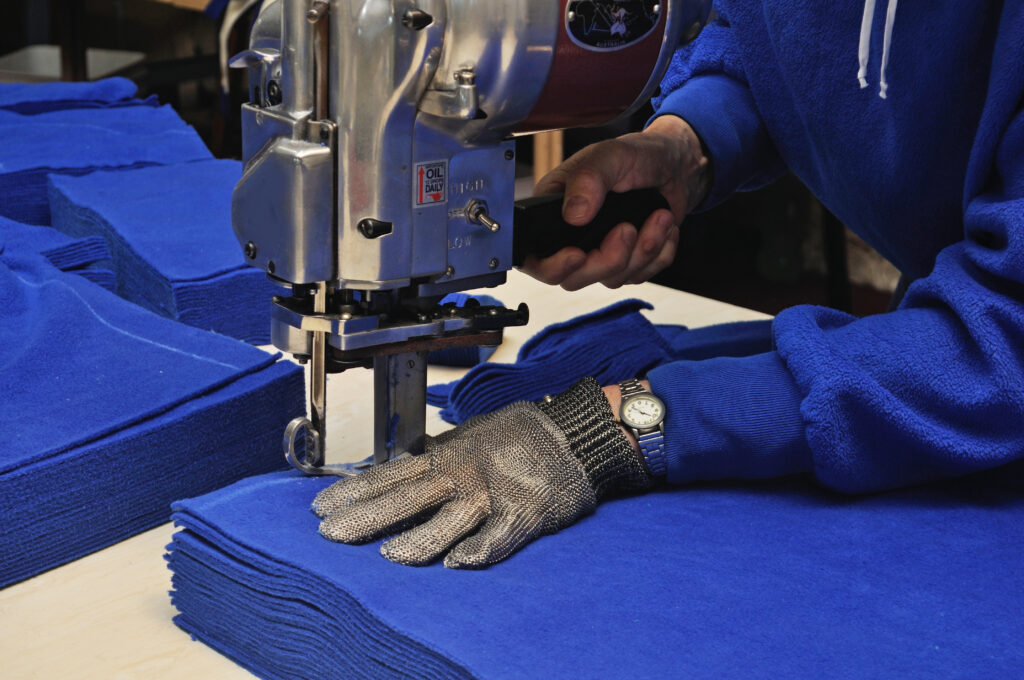
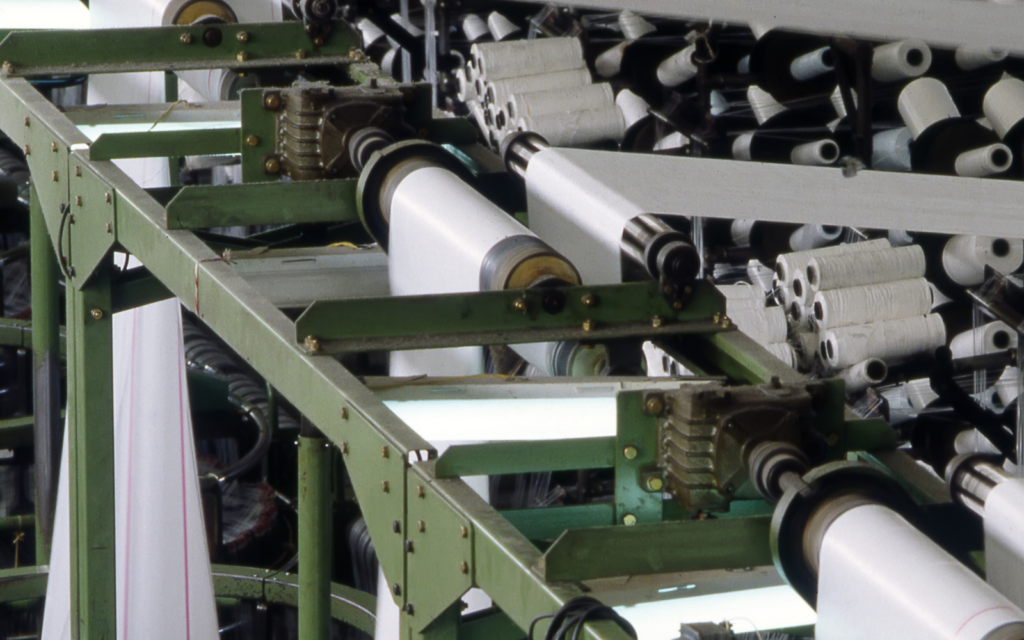
For Dunelm, a publicly-traded company that is one of the UK’s largest home furnishings retailers, that industry reality sat at the heart of a more specific business challenge. Sourcing and manufacturing account for approximately 60 percent of the company’s Scope 3 greenhouse gas emissions — and without consistent, comparable data across a growing supplier base – it is difficult to know where to act first.
In response, Dunelm developed its Good & Circular approach to sustainability — a commitment to rethinking how products are designed, sourced, used, and recovered. Central to that strategy is a data-driven approach to supplier engagement: rather than relying on spend-based emissions estimates, Dunelm adopted Higg Facility Environmental Module (Higg FEM) through its Better Manufacturing program to build a credible, comparable picture of environmental performance across its supply chain. In this case study, we go deeper on how Dunelm used circular design, supplier collaboration, and Higg Index data to reduce environmental impact and create products that last longer.
Key Takeaways
- Identified sourcing and manufacturing as approximately 60 percent of Scope 3 emissions and launched the Better Manufacturing programme to address it — adopting Higg FEM as the shared measurement framework across Tier 1 suppliers.
- Achieved 84 percent Tier 1 supplier Higg FEM completion in FY25, reaching target a month ahead of schedule despite supplier base growing 6.4 percent year-on-year.
- Completed Higg FEM assessments across its own UK made-to-measure manufacturing sites in FY2025, expanding environmental performance measurement beyond its supply chain.
- Designed the Full Circle Sofa to extend product life through modularity, repairability, and recyclability.
- Embedded circularity into its broader Good & Circular sustainability strategy through takeback, repair, and lower-impact materials.
A Common Framework for a Complex Supply Chain
Dunelm launched its Better Manufacturing program in FY24, adopting the Higg Facility Environmental Module (Higg FEM) as the shared measurement framework across its Tier 1 supplier base. Part of the Higg Index — a suite of frameworks and methodologies stewarded and governed by Cascale and delivered globally through Worldly’s technology platform — the Higg FEM enables suppliers to assess, track, and improve performance across key environmental areas, including energy, water, waste, and carbon.
Rather than developing a proprietary assessment system, Dunelm chose an industry-standard tool — one that suppliers could share with other brands, reducing duplication and lowering the barrier to adoption.
As Lisa Ly, senior sustainability manager at Dunelm, explained on Cascale’s Source of Good podcast: “For our suppliers, having one tool that can be shared among other brands and retailers is a huge benefit. Before we even started, we did a bit of a survey to figure out how many of our suppliers were already using it, and it was like 15 percent of our Tier 1. So that gave us confidence.”
In FY25, Dunelm extended Higg FEM to its own UK made-to-measure manufacturing sites — enabling the company to identify operational hotspots firsthand and share best practice solutions directly with its supplier base. To further support supplier capability, Dunelm hosted an in-depth renewable energy webinar in partnership with climate consultancy South Pole, covering renewable electricity market trends, green tariffs, on-site options, and PPAs. The company also launched a quarterly supplier newsletter and engaged specialist partner Verisio to strengthen Tier 2 visibility through Worldly’s Facility Data Manager (FDM).
Ahead of Target, Across a Growing Supplier Base
In FY25, Dunelm achieved 84 percent Tier 1 supplier completion of the Higg FEM self-assessment — reaching its target a month ahead of schedule, despite its supplier base growing 6.4 percent year-on-year.
Improved data quality is now enabling a transition away from spend-based Scope 3 estimates toward primary facility-level data, giving commercial teams greater visibility to make more responsible sourcing decisions. Scope 3 emissions increased just 1 percent against 4 percent sales growth in FY25 — an early signal of progress on decarbonization relative to business growth.
Looking ahead, Dunelm is actively encouraging suppliers to develop decarbonization roadmaps supported by Higg FEM data and ongoing training through its dedicated supplier platform.
Building Products That Last
Beyond measurement, Dunelm is applying sustainability principles to product design — recognizing that reducing environmental impact requires thinking about the full product lifecycle, not just manufacturing emissions.
One example is the Full Circle Sofa, introduced in 2024. Developed collaboratively with suppliers, its modular design allows customers to replace individual sections rather than the entire sofa. A staple and glue-free frame makes components significantly easier to separate and recycle at end of life — directly addressing one of the most persistent barriers to furniture recyclability.
Dunelm’s rug takeback program accepts rugs from any brand for cleaning, repair, and refurbishment before donating them through charitable partners. Community repair workshops further encourage consumers to extend product life rather than replace items prematurely.
Together, these initiatives reflect Dunelm’s Good & Circular approach to sustainability — a commitment to rethinking how products are designed, sourced, used, and recovered.
Measurement as a Foundation for Progress
Dunelm’s experience shows how a shared, industry-aligned measurement framework can accelerate supplier engagement, improve data quality, and support more responsible sourcing decisions — at scale and ahead of target.
By choosing Higg FEM over a proprietary system, Dunelm reduced adoption barriers, leveraged existing supplier familiarity with the tool, and created a common language for continuous improvement across its value chain. As Dunelm continues to build on this foundation — extending measurement into its own operations, deepening Tier 2 engagement, and embedding circularity into product design — the Better Manufacturing program provides a credible, data-driven platform for meeting its SBTi-validated targets: a 50 percent absolute GHG reduction by FY30 and net zero by FY40.