SAC Releases Biannual Higg MSI Data Update
  • Higg MSI
Black and white headshot of Amina Razvi
Amina Razvi
December 18, 2020

The latest version of the Higg Materials Sustainability Index (Higg MSI) was released today by the Sustainable Apparel Coalition (SAC) and Higg Co and represents the single largest update to production processes submitted by the industry through the MSI Contributor portal since the Higg MSI was launched by the SAC in 2012. We are adding 15 new processes that were submitted through the MSI Contributor in 2020, increasing our total count of production processes submitted directly by companies from 50 to 65. These updates, combined with processes already available, contribute to the existing millions of materials options companies can review and access in the MSI.

The Higg MSI empowers designers and developers at brands, retailers, and manufacturers to compare life cycle assessment data between comparable raw material and manufacturing processes to inform and drive more sustainable design decisions. The tool can help designers understand the environmental impacts of the choices they make when selecting different processes between relevant material types. The tool measures five environmental impacts for both natural and synthetic materials: chemistry, global warming potential, nutrient pollution in water, water scarcity, and fossil fuel depletion. All background life cycle impact assessment data in the Higg MSI comes from ISO-compliant studies and reputable industry databases, primarily the GaBi database by Sphera. Once data is submitted, it is reviewed, verified, and scored by third-party experts.

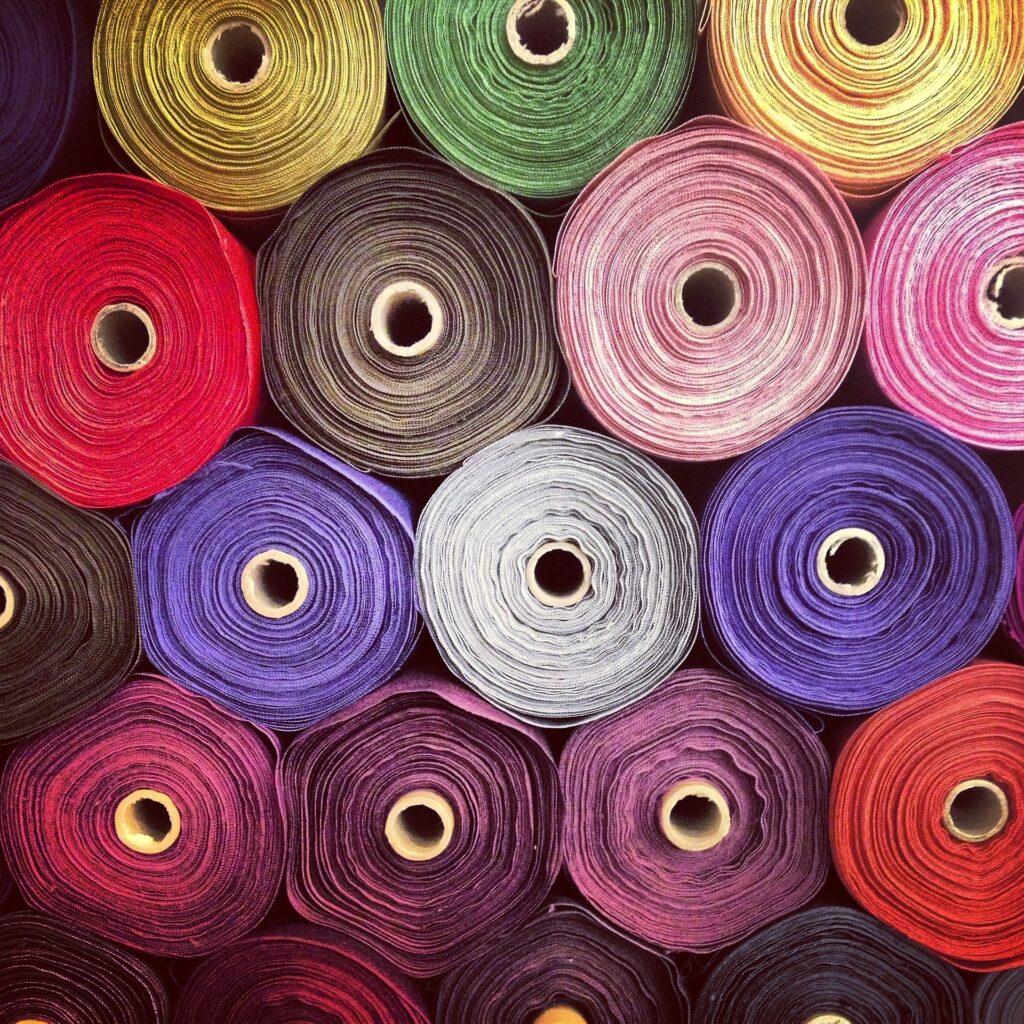
By continuing to increase the pool of data contributed and shared, companies can leverage the Higg MSI to drive transformational change across their organizations and within the industry. Since the Higg MSI data is grouped into Material Categories and Production Stages, users can easily hone in on functionally equivalent raw material and process comparisons to guide decision making. For example, when a brand is designing a cotton t-shirt, its product team can consider which type of cotton best satisfies the company’s specific sustainability goals as well as the intended purpose of the garment, making more informed decisions to create sustainable products. Similarly, designers can evaluate the impacts of different types of recycled polyester among other synthetic material options.


New Updates 

The Higg MSI is updated twice a year to reflect new and updated LCA data, new materials, and new manufacturing processes from suppliers in the footwear, apparel and textile industries. The update released today is the second update of 2020 — the previous update was in August. Today’s updates come from multiple geographies — including Asia, Europe, North America, and South America — and feature a total of more than 50 new natural and synthetic materials and processes that were submitted by industry stakeholders and sourced from leading industry databases.

In addition to the 15 new production processes submitted through the MSI Contributor portal, the latest version release of the Higg MSI now includes:

  • 8 new generic raw material process options, including 4 new example materials
  • 4 raw materials added requested by SAC footwear roundtable
  • 19 new manufacturing processes available to customize synthetic leather substrate and polyurethane (PU) amounts
  • 12 new spinning processes added to hemp raw material to accommodate a new data submission for a cottonized hemp

This update also enhances the tool’s transparency for Higg MSI users by adding direct links from data submissions to the websites of data submitters and links for documentation from background data (GaBi) when available and applicable.

Click here to view the full list of updates.


Call to Action for the Industry

Since the launch of the Higg MSI, the SAC has routinely invited and facilitated the submission of new data from various industry stakeholders. In order to drive collective action towards reducing the environmental impact of materials and increasing more sustainable material usage, the SAC invites Higg MSI users and materials experts to continue contributing material data to the tool’s growing library of materials.

In November, we began to strengthen efforts to solicit new and updated LCA data from industry partners to help ensure the best available external data inputs within the Higg MSI as part of our regular review process. We are encouraged by the ongoing conversations we’re having with industry partners, knowing that it will take all actors, working together across the value chain to transform the industry. This work continues and will be reflected in future data updates.

To learn more about how to submit data, please click here.

Hirdaramani

  • Manufacturers
  • Higg FEM

Read how this global leader in sustainable apparel explains how the Higg Index is helping to drive change.

Hirdaramani Industries (PVT) Ltd logo
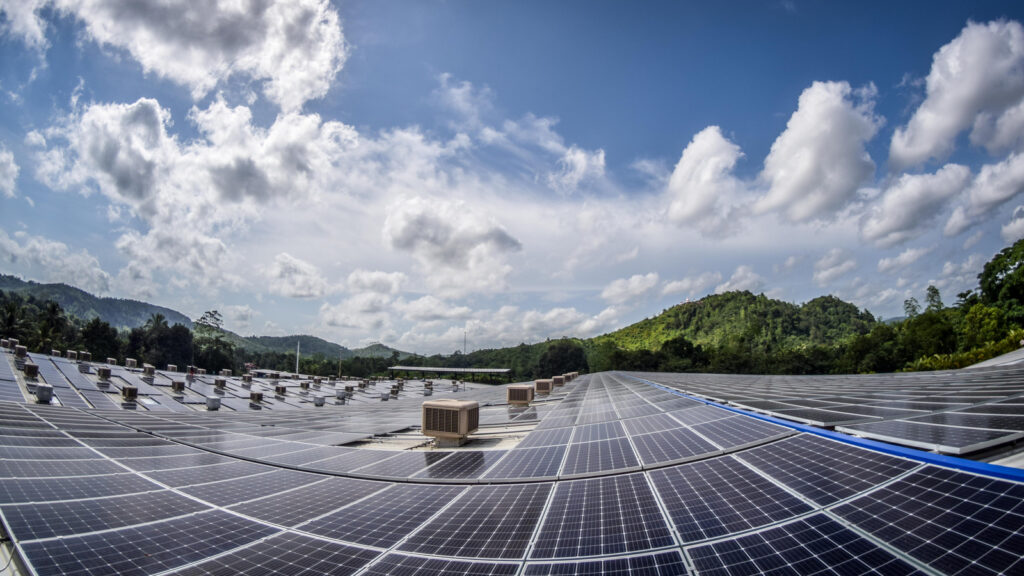
Hirdaramani Knit - Agalawatte, Sri Lanka (Rooftop Solar Installation)
August 20, 2020

“Climate change is the most pressing challenge that the industry, country, and the world face. The Higg Index scores and improvement areas have helped guide our management to pinpoint facilities requiring increased investment and focused attention.”

— Demith Gooneratne, [Former] Environmental Sustainability Manager at Hirdaramani Exports International Ltd


Headquartered in Kahathuduwa, Hirdaramani Exports International Ltd. is a leading sustainable apparel manufacturer that operates 20 facilities across Sri Lanka. Demonstrating its commitment to combatting climate change, the company achieved carbon-neutral status at its Mihila Factory in 2018, marking a significant milestone for Asia. Hirdaramani also harnesses the Higg Facility Environmental Module (FEM) to evaluate and enhance its environmental performance in critical areas including energy consumption, greenhouse gas emissions, water use, and waste management.

By using the Higg Index to pinpoint environmental hotspots, the Hirdaramani sustainability team. Has implemented energy and emissions reduction initiatives such as implementing energy-efficient LED lighting, installing skylights, and developing worker awareness programs, and have made substantial progress in achieving their 2020 goals. The company partnered with a Sri Lankan renewable energy firm to install more than 21,000 solar PV panels on eight of its facilities, contributing significantly to reducing carbon emissions and lessening the need for cooling facilities. Hirdaramani’s commitment to sustainability not only aligns with global climate goals but also enhances business value, reducing operational costs, decreasing fossil fuel dependency, and strengthening partnerships with value chain collaborators. Their journey continues as they work towards a greener, more sustainable future with improved Higg Index scores and a reduced environmental footprint.

Salomon

  • Brands & Retailers
  • Higg FEM

Learn how this European outdoor brand uses the Higg Index to foster transparency and collaboration with value chain partners.

Amer Sports logo
Aerial photo of a road winding through a green forest
August 20, 2020

“The key to sustainability is transparency. That’s what we like about using the Higg Index tools. We hope that as an industry, we can move towards the same goal because the consumer at the end wants information that is true. If everyone doesn’t use the same tool, we won’t be able to achieve that”

— Celine Mazars, Senior Materials Manager, at Salomon


With a deep love for the outdoors and a strong sense of community, French sportswear brand Salomon called on the Higg Facility Environmental Module (FEM) to assess the environmental performance of manufacturing footwear, the company’s largest product category, and integrate sustainability into operations across their supply chain. Approved by the Science Based Targets Initiative in 2022 of a 2019 baseline, Salomon’s goals include 50 percent absolute reduction of greenhouse gas emissions for scopes 1 and 2 and a 30 percent absolute reduction for scope 3 by 2030.


Salomon works closely with  Tier 1 and Tier 2 manufacturers, including fabric mills, dye houses, and outsole manufacturers, to implement sustainability best practices and further transparency. This collaborative approach not only improved communication with suppliers but also served to engage them in partnership, paving the way for lasting change in the industry. Within the first three years of adoption, all of Salomon’s Tier 1 finished goods manufacturers in China, Taiwan, Vietnam, Cambodia, and India now leverage the Higg FEM to measure and enhance their operations.


The company takes a unique and playful approach to sustainability through its Play Minded Program, making social responsibility accessible to employees and value chain partners, and strives to inspire their community to responsibly connect with nature – inspiring individuals to become agents of positive change. believes in a common language for consumers to make informed purchasing decisions and envisions a future where the entire industry adopts the Higg Index for trustworthy sustainability information.


Amer Sports, Salomon’s parent company, is also a Cascale member and represents numerous international sporting goods brands, like Arc’teryx and Wilson.

Avery Dennison RBIS

  • Manufacturers
  • Higg FEM

Read how this global materials science company sets the standard high, with cutting-edge adhesive technologies and materials that inspire packaging trends across industries and around the world.

August 26, 2016

“We strive to be a force for good that creates long-term value for all of our stakeholders, which means innovating and operating in ways that have a positive impact on people and the planet. The Higg Index suite of tools is critical to setting targets and achieving our sustainability goals.”

— Helen Sahi, Director of Sustainability, at Avery Dennison


Avery Dennison is at the forefront of sustainability and innovation in the packaging industry, but a primary challenge is to reduce greenhouse gas emissions and address waste generation and disposal. The company’s SAC membership and use of the Higg Index have been instrumental in addressing these sustainability challenges by setting ambitious goals: A 3 percent annual reduction in greenhouse gas emissions that achieves a 26 percent reduction by 2025, and reusing, repurposing, or recycling at minimum 75 percent of waste to become landfill-free that same year.


To achieve these goals, Avery Dennison is investing in efficient and renewable energy sources and materials and seeking innovative partnerships across the supply chain to drive improvements in energy efficiency and waste reduction. A true partner, the company participated in SAC working groups, contributed to the development of the Higg Index, validated their scores through the Verification Pilot, and used the Higg FEM to reduce audit fatigue.


By deploying a system of wireless energy meters to obtain real-time facilities consumption data in order to make data-driven decisions, Avery Dennison achieved a more than 10 percent energy reduction at pilot sites. They are now implementing this approach at their largest manufacturing site in China, where the program will drive progress toward the company’s greenhouse gas reduction goals. As a Cascale member, Avery Dennison continues to collaborate, share knowledge, and work collectively to drive broader systemic change across the industry, ultimately creating a more sustainable and environmentally responsible future.