Sustainable Apparel Coalition Issues Summary on the Higg Index Tools Analysis and Compliance Initiatives

  • Higg Index Tools
  • Policy and Legislation
Cover of Summary Report: Higg Index Tools Analysis and Compliance Initiatives
November 22, 2023

Developed in partnership with the Global Fashion Agenda, the Sustainable Apparel Coalition has developed a Higg Index Tools Analysis and Compliance Initiatives Summary Report, which is now available to the public.

In collaboration with professional consultancies and partners, the SAC initiated analyses of the Higg Index tools in relation to relevant existing and upcoming EU and national (European) legislation. The summary provides key messages and main outcomes of the analysis, along with proposed next steps.

As part of this process, the SAC developed an overview for members explaining how relevant European legislation is applicable to the requirements of the Higg Index tools. It intends to map out the complex and rapidly evolving policy landscape, and support members in their compliance work with their own legal and compliance teams.

The initial analysis considered factors such as corporate sustainability due diligence and corporate sustainability reporting and was intended to assess to what extent the Higg Index tools can assist members in their compliance efforts, where appropriate. The SAC is also collaborating with Worldly, an impact intelligence platform that hosts and supports leading industry solutions including the SAC’s Higg Index tools, to deliver a white paper that comprehensively outlines how brands can use the tools to prepare for compliance with the European Corporate Sustainability Reporting Directive (CSRD), in particular.

Key messages of the summary include:

  1. The Higg Index tools are periodically updated to proactively address the increasing demands raised by legislation for transparency and disclosure. While they were not originally intended to align with regulations or support regulatory compliance, the Higg Index tools can and, increasingly, will provide insights and data that can support members’ compliance efforts. The Higg Brand & Retail Module (BRM) stands as a good example, being well aligned with the EU Corporate Sustainability Reporting Directive (CSRD) requirements. With the final sector-specific standards expected soon, the SAC will further align the Higg BRM to the regulatory reporting requirements therein.
  2. With regard to the Corporate Sustainability Due Diligence Directive (CSDDD), the assessment confirmed that the Higg BRM was not designed as a due diligence tool, and therefore cannot be used, on its own, as a comprehensive due diligence tool. However, while the Higg BRM will undoubtedly have a role to play in a due diligence process, such a process goes beyond the scope of a single self-assessment survey such as the Higg BRM.
  3. The SAC will work together with partners and key stakeholders to develop and support innovative projects such as an OECD-aligned Human Rights and Environmental Due Diligence (HREDD) framework. Among others, the SAC will collaborate with Worldly and Fair Wear to deliver resources and guidance to help brands and other industry stakeholders understand, navigate, and implement impactful human rights due diligence. By working together, these groups aim to drive industry alignment, raise the bar for human rights, and reduce negative impacts on the environment and nature across global garment supply chains. The SAC will also explore more formally how the organization can facilitate members and the industry in meeting future regulatory obligations.
  4. The SAC has developed an overview of relevant European legislation for SAC members that is applicable to the questions and requirements of the Higg Brand and Retailer Module (BRM), Higg Product Module (PM) and Higg Materials Sustainability Index (MSI), Higg Facility Environmental Module (FEM) and Higg Facility Social & Labor Module (FSLM). This overview is set to be published by the end of the year and will be made available for members only, as the resource is intended to aid members in their ongoing compliance work alongside their own legal teams.
  5. The SAC actively advocates and collaborates with policymakers, emphasizing the importance of ensuring that its tools remain relevant and in line with the most current sustainability standards and legislation. The SAC works towards ensuring that its expertise is integrated effectively into the legislative and regulatory processes – in the context of and beyond its role in facilitating the PEF Technical Secretariat for Textiles and Footwear. The Higg Product Module (PM) and Higg Materials Sustainability Index (MSI) particularly stand as strong opportunities for advocating this crucial alignment, e.g. in the context of the Substantiating Green Claims Directive, as well as the Delegated Act on Textiles for the Ecodesign for Sustainable Products Regulation (ESPR).

As the Higg Index tools touch upon many aspects included in the regulatory and reporting obligations, the purpose of the collaborative work is to keep abreast of the latest key regulatory developments. This helps in considering potential refinements to the Higg Index tools in the future. Relevant legislation is constantly changing, and many pieces of legislation have yet to be finalized. Hence, the analysis will be conducted continuously, so the Higg Index tools ceaselessly meet the evolving expectations and needs of members and users.

Sustainable Apparel Coalition and Worldly Host Higg FEM 4.0 Informative Webinars for Global Stakeholders

  • Higg FEM
  • Higg Index Tools
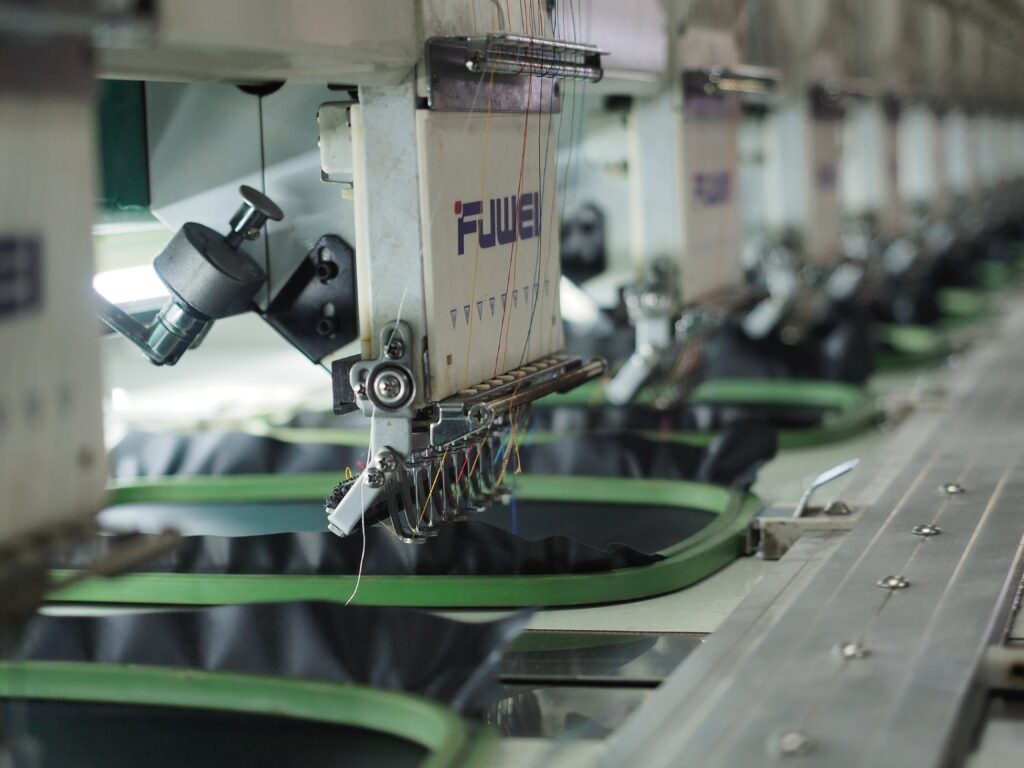
Close-up photo of an industrial sewing machine in factory
November 17, 2023

Celebrating the launch of the Higg Facility Environment Module (FEM) 4.0 tool, the Sustainable Apparel Coalition and Worldly hosted a series of webinars for global stakeholders. The presentations illustrated how the updated Higg FEM tool marks an industry milestone in sustainability reporting to meet pressing environmental issues and industry standards, positioning the Higg FEM 4.0 as the leading assessment for environmental performance in the consumer goods industry.

Facilitated by Loretta Tam, vice president of Customer Success at Worldly, the presentation kicked off with Scott Raskin, chief executive officer of Worldly, who conveyed the urgency of value chain participation in light of increased regulatory disclosure. Higg FEM 4.0 aligns with key global standards — including the GHG Protocol, the SBTi, and the ZDHC Roadmap to Zero — to drive emissions reductions and reduce duplicative reporting.

Amina Razvi, CEO of SAC, shared how Higg FEM 4.0 was redesigned to meet industry needs, offering broader coverage of critical environmental issues, such as groundwater and soil contamination, to help facilitate improvements on a global scale. It also features improved and streamlined usability by including targeted questions relevant to facilities. Additionally, Higg FEM 4.0 unveiled a new anomaly detector designed to flag inconsistencies on-platform. The result, Razvi shared, is a tool that delivers better data quality and a more accurate environmental assessment.

Jeremy Lardeau, VP of Higg Index at SAC, presented on the specifics of the tool’s design during the first webinar, which was timed for participants from the Americas, Europe, the Middle East, Africa; on the second, timed for participants from the Asia-Pacific region, this information was shared by Angela Ng, director, Higg Facility Tools at SAC. They were joined by John Armstrong, chief technology officer at Worldly, who presented on user experience, and Eustaquio Brant, environmental program manager at Bestseller, who shared the brand’s experience with Higg FEM 4.0.

The participants emphasized that the teams engaged 140 representatives across 12 Member Expert Teams (METs) to collect stakeholder feedback, spending two years on the process of building Higg FEM 4.0. Stakeholders on the METs represented 62 manufacturers, 57 brands/retailers, 10 service providers, and five affiliate members, and provided insights that helped to shape the FEM framework, scoring methodology, question content, and more, to build a tool that meets relevant industry standards and protocols. Finally, the webinar sessions outlined how Higg FEM 4.0 was tested by more than 400 users, who provided feedback within the platform. After a Q&A session, each webinar concluded with the understanding that Higg FEM 4.0 empowers users to identify, prioritize, and scale sustainability efforts.

As members transition to Higg FEM 4.0, the SAC and Worldly will host additional member and user webinars and Office Hours throughout the month.

Sustainable Apparel Coalition Talks Data on Worldly CSRD Compliance Strategy Webinar

  • Higg FEM
  • Higg Index Tools
Close up photo of two people looking at a report
November 13, 2023

Jeremy Lardeau, vice president of Higg Index at the Sustainable Apparel Coalition, joined a recent panel hosted by Worldly, an impact intelligence platform that is the exclusive licensee of the SAC Higg Index Tools, to discuss how brands can prepare for Corporate Sustainability Reporting Directive (CSRD), which requires all large and listed companies (except listed micro-enterprises) to report on impacts to people and the environment, detailing how the risks materialize for investors. Lardeau joined John Armstrong, Worldly chief technology officer, and JR Siegel, Worldly senior director of product innovation, to discuss how companies can use the Higg Facility Tools to begin collecting the data in 2024 that they will need to report on ESG impact in 2025.

After Armstrong shared an overview of the changing sustainability landscape, Lardeau detailed the value of the Higg Index to report data and walked through key aspects of a CSRD guide that the SAC and Worldly are currently developing. He discussed how the Higg Index focuses on sustainability areas of high impact including carbon emissions, wastewater and energy among others. Through the Higg Index Tools, businesses can access the insights they will need for impact reduction, compliance and disclosure, Lardeau said.

However, when it comes to reducing carbon emissions, Lardeau noted that the vast majority of a fashion brand’s footprint is in its manufacturing supply chain, especially energy-intensive raw material production, preparation and processing. To that end, the Higg Facility Facility Environmental Module (FEM) tool helps facilities build a comprehensive view of primary energy, water and waste data in order to better understand impact and develop science-based strategies to reduce scope 3 emissions. Lardeau recommended a partnership approach, in which key suppliers can be engaged and incentivized through better purchasing practices, such as faster payment plans and larger orders with greater lead times.

To conclude the presentation, Siegel detailed how Worldly is mapping the CSRD to the Higg Tools and walked through key aspects of the guide.

Brooks Running

  • Brands & Retailers
  • Higg MSI
  • Higg PM

Read how this American-based performance athletic company uses Higg Product Tools to assess their environmental footprint.

Brooks Running logo
A running track with white lines and trees
November 10, 2023

“The Higg Product Tools empowered us to craft a sustainable strategy that aligns with our Planet 2030 commitments. With a solid understanding of the environmental footprint of materials and products across their life cycles, we are now equipped with data-driven insights to make informed decisions and realize our vision for a sustainable future. By leveraging these innovative tools, we’re not just running towards sustainability – we’re redefining the race.” 

— David Kemp, Director of Corporate Responsibility, Brooks Running


Brooks Running harnessed the power of the Higg Product Tools, including the Higg Materials Sustainability Index (MSI) and Higg Product Module (PM), to gain insights into its environmental impact and build strategies to achieve its climate and environmental commitments. The company used the tools to meticulously assess the impacts of both the raw materials (Tier 4) and processing stages (Tier 2 and 3) that contribute to its product ecosystem.

The Higg Index tools are fueled by collaboration. Brooks Running’s dedicated corporate responsibility team worked closely with suppliers to collect material-specific information – from composition and raw material type to dyeing and finishing methods. In instances where suppliers did not provide enough information, the team utilized the Higg MSI’s default values to ensure comprehensive coverage. Through this work, they were able to assess their environmental impact and identify which materials aligned best with their Planet 2030 commitments. The resulting reporting provided Brooks Running with a more accurate emissions factor for each material’s global warming potential, which was used to improve the accuracy of the company’s corporate Scope 3 Greenhouse Gas (GHG) Protocol emissions reporting.

In addition to their use of the Higg MSI, Brooks Running continued to scale its adoption of the Higg PM – entering footwear and apparel materials into the Higg MSI in order to evaluate the environmental impact of footwear and apparel styles through the Higg PM.

Sustainable Apparel Coalition Talks Data on GreenBiz x EDF Webcast

  • Higg Index Tools
  • Higg MSI
  • Higg PM
Photo of wind turbines in a green forested area
November 09, 2023

Joël Mertens, director Higg Product Tools Sustainable Apparel Coalition, joined a recent GreenBiz webcast sponsored by Environmental Defense Fund to discuss “How Circularity Can Help Advance Your Net Zero Strategy.” Hosted by Kori Goldberg, circular economy manager at GreenBiz, additional speakers included Andy Ruben, founder and executive director at Trove, Pete Edmunds, sustainability director at Deloitte, and EDF’s Thorfinn Stainforth, senior policy analyst at Environmental Defense Fund, and Elizabeth Strurcken, managing director.


The conversation was inspired by a new report from EDF and Deloitte, which outlines how companies can gain value and advance net-zero goals by transitioning to circular strategies – including reaching new markets and advancing climate outcomes.


After Sturcken introduced the report as the third in a collaborative series with Deloitte intended to help businesses make tangible progress towards their net-zero goals, Edmunds shared industry-specific circularity strategies for the textiles, packaging and automatic industries. He highlighted Lululemon’s plant-based nylon and the Loop reverse logistics programs, as well as the automotive industry’s shift to mobility as a service and battery reprocessing to meet demand from the growing EV market. Then, Ruben discussed a recent study on which Trove collaborated with Worldly, the exclusive licensee of the SAC’s Higg Index Tools, to determine the carbon savings of resale in comparison to rental and subscription.


Mertens emphasized the importance of pre-competitive collaboration in moving from commitment to action, stressing the success of this model in developing the Higg Index Tools. He shared that elements of circularity are embedded in the Higg Product Tools and provide a solid foundation for brands exploring circularity. However, he cautioned that brands should be careful about communicating circularity to consumers in the absence of impact measurements, as this can be construed as greenwashing.


Finally, Stainforth outlined circular policy developments in the EU, including their global impact, and three ways that companies can move faster and further on circularity.

CIEL Textile

  • Manufacturers
  • Higg FEM
  • Higg FSLM

Learn how one of the world’s leading and most innovative garment and fabrics manufacturers has achieved remarkable results on their journey towards a nature-positive and people-centric future.

CIEL Textile logo
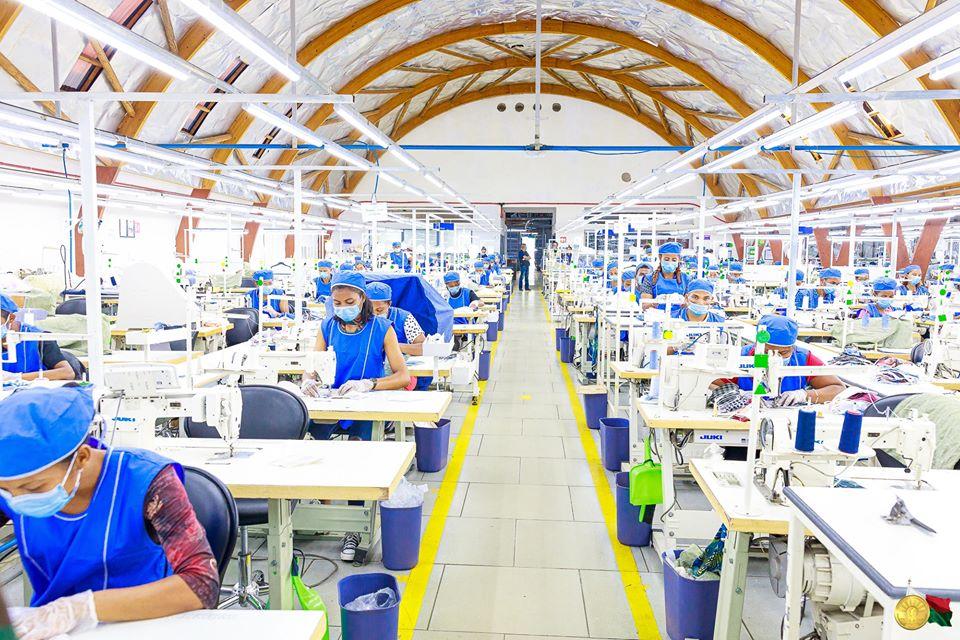
CIEL Textile operations
November 07, 2023

“People are our most precious asset, and the Higg FSLM helps us measure the effectiveness of our practices and work toward a best-in-class employee experience. Similarly, we leverage the Higg FEM as our guide to weave purpose into every thread of our operations. Our journey is a testament to the power of dedication, collaboration and innovation in transforming not just our business but the entire industry.”

– Quentin Thorel, Group Head of Sustainability at CIEL Textile.


CIEL Textile, an industry pioneer in sustainable practices, recently completed a purpose-driven transformation with remarkable results. With a strategic focus on fostering a nature-positive future, and ensuring decent work for all, their 2023 impact is indeed impressive.

In 2019, CIEL Textile implemented the Higg Facility Social and Labor Module (FSLM) and Higg Facility Environmental Module (FEM) tools across all of its 19 facilities, which employ 23,000 talents. Three years later, the impact is clear: CIEL Textile achieved a verified FSLM score of 85 percent and an impressive average FEM score of 88.4 percent – with some locations exceeding 90 percent. 

Meticulously tracking and monitoring sustainability metrics using several digital tools such as the Higg Index, the group tripled its investment in dedicated sustainability resources across all 19 facilities. This investment significantly impacted recruitment, working hours, wages, health and safety and more, emphasizing CIEL Textile’s commitment to improving the lives of its employees. 

CIEL Textile’s commitment to sustainability goes beyond its own operations: the group actively encourages its brand partners and stakeholders to align and adopt the Higg Facility Tools, avoiding not only audit duplication, but also empowering them, fostering a shared commitment to industry-wide sustainability. The group has already achieved its 2030 target of eliminating coal from its supply chains and is on track for goals related to carbon, water, waste management and circularity – including environmental improvement projects such as conserving and regenerating natural ecosystems and installing rainwater harvesting systems. Looking ahead, CIEL Textile aims for a verified Higg FEM score of 95 percent at all of its factories by 2025, reaffirming its unwavering commitment to driving sustainability and positive change in the apparel industry.

Sustainable Apparel Coalition Launches Higg FEM 4.0

  • Higg FEM
  • Higg Index Tools
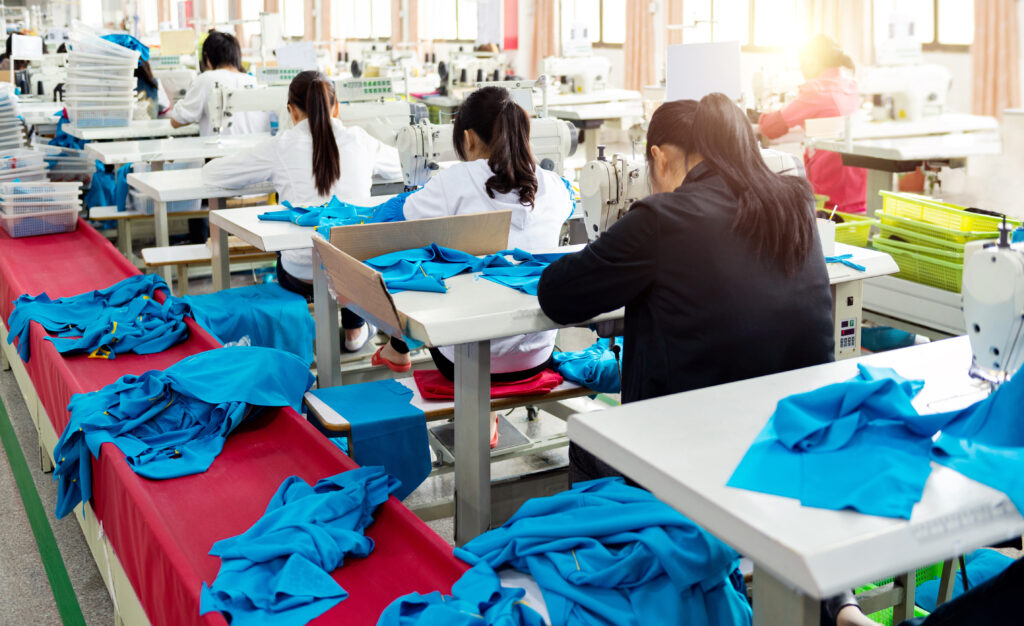
Rear view of female workers working at sewing machines in clothing factory in a row
November 02, 2023

San Francisco, Amsterdam, Hong Kong – November 2, 2023: Today, in partnership with Worldly, the Sustainable Apparel Coalition (SAC) launched the Higg Facility Environmental Module (FEM) 4.0 tool. This update marks an industry milestone in sustainability reporting to meet pressing environmental issues and industry standards, positioning Higg FEM 4.0, part of the Higg Index suite of tools, as the most applicable and leading assessment for environmental performance in the consumer goods industry.

Enabling more accurate reporting
As well as offering improved and more streamlined usability, Higg FEM 4.0 delivers better data quality. Featuring a new anomaly detector designed to flag inconsistencies, Higg FEM 4.0 provides more accurate reporting, ultimately enabling a more accurate environmental assessment of the industry.

Broader coverage of critical environmental issues
The tool also offers a deeper look at key environmental issues such as groundwater and soil contamination to help the industry make improvements at a global scale on critical issues. The new tool aligns with key global standards – including the GHG Protocol, the SBTi, and ZDHC Roadmap to Zero – to drive emissions reductions and reduce duplicative reporting. Additionally, Higg FEM 4.0 includes targeted questions that are more relevant to a facility’s processes, weeding out questions that are irrelevant.

Jeremy Lardeau, VP of the SAC Higg Index says, “Higg FEM 4.0 will bring impactful and necessary changes – from improved data quality to alignment with relevant industry standards, the updated tool offers a wide range of benefits to ultimately reshape how sustainable decisions are made along the supply chain.”

Industry led update
Higg FEM 4.0 was built on member and stakeholder feedback collected over the past two years It reflects the input of over 140 representatives across 12 Member Expert Teams (METs), including 62 representing manufacturers, 57 representing brands/retailers, 10 service providers, and five representing affiliate members. The METs, the FEM Strategic Council, partner organizations, and members all provided insights and feedback. The insights collected helped to shape the FEM framework, scoring methodology, question content, and more to build a tool that meets relevant industry standards and protocol. Additionally, Higg FEM 4.0 was tested by over 400 users who provided feedback within the platform. The SAC is excited for end users and stakeholders to experience the widespread benefits of Higg FEM 4.0, and empower them to identify, prioritize and scale sustainability efforts.

Jimmy Summers, Vice President of Environmental, Health, Safety & Sustainability, at Elevate Textiles: “Elevate Textiles is looking forward to the release of Higg FEM 4.0. Higg FEM is an essential part of transparently sharing our verified sustainability metrics and progress with our customers.  We also use Higg FEM as a foundational element of our overall sustainability program to ensure that all of our facilities around the world are meeting our expectations and improving their performance towards our facility-level and corporate goals and targets, including our Science-Based Targets for GHG reductions. We actively participated in the Higg FEM 4.0 pilot and are now prepared to ‘raise the bar’ with this more rigorous and beneficial version.”

Alan Chin, Senior Manager, Supply Chain Sustainability, at VF Corporation: “At VF, the Higg FEM assessment enables the company and our brands to measure key Scope 3 supplier-related impacts.  VF teams, along with the SAC staff, engage directly with our vendor partners to assess and improve supplier carbon emissions.  We are excited about the enhanced ability of the updated Higg FEM 4.0 to deliver actionable data and insights, enabling VF to support impact reductions across our global supply chain.”

James Schaffer, Worldly’s Chief Strategy Officer: “Higg FEM 4.0 is a game changer. In an industry with rapid change in impact reporting and regulation disclosure requirements, Higg FEM 4.0 directly addresses the current sustainability challenges and future needs businesses are facing. We’re proud to host this leading environmental assessment on the Worldly platform and provide businesses the impact intelligence they need. With new customized user experiences for facilities, Higg FEM 4.0 is an assessment tailored to facilities that gives brands visibility into the nuanced impact of their supply chain partners, so together they can identify hotspots and effectively improve their environmental footprint.”

Kyle Chung, Senior Manager – Sustainability, at Crystal International: “Crystal International’s sustainability efforts are strengthened by industry tools like Higg FEM to enhance environmental performance. Collaborating with our supplier network to leverage Higg FEM data and insights, we can make informed decisions to drive sustainability advancement across our operations and value chain. With the launch of the updated tool, we are better equipped to address the industry’s most pressing issues.”


— ENDS —

About the Higg FEM Tool
The Higg Facility Environmental Module (FEM) tool informs manufacturers, brands, and retailers about the environmental performance of their individual facilities, empowering them to scale sustainability improvements. The Higg FEM provides facilities a clear picture of environmental impacts and helps users identify and prioritize opportunities for performance improvements.

About the Sustainable Apparel Coalition
The Sustainable Apparel Coalition (SAC) is a global, non-profit alliance of over 280 organizations in the apparel, footwear, and textile industry. Initially formed to create standardized sustainability metrics, the SAC has sharpened its focus to driving pre-competitive, collective action across three foundational pillars. As an independent entity, the SAC brings together brands, retailers, manufacturers, NGOs, academics, and industry associations to combat climate change, ensure decent work, and contribute to a nature-positive future. Central to the SAC’s mission is the Higg Index, a suite of comprehensive tools that empower members to measure, evaluate, and improve sustainability performance across the supply chain.

LinkedIn | Twitter | Instagram | Facebook | YouTube

About Worldly
Worldly is the planet’s most comprehensive impact intelligence platform, trusted by 40,000+ major brands, retailers, and manufacturers in fashion, outdoor, home goods, toys, and more. Worldly uniquely collects high-resolution primary data specific to companies’ value chains, operations, and products, providing insight into true impacts across carbon, water, chemistry, and labor. Featuring the most comprehensive source of ESG data for global manufacturers and the largest library of materials and product impacts, Worldly empowers businesses to scale responsibility into their global operations, faster and more accurately. Hosting, connecting with, and supporting the leading industry solutions and methodologies including ZDHC, Bluesign, and the Higg Index – the most widely-adopted measure of sustainability in the apparel industry – Worldly delivers the insights businesses need to reduce their impact, comply with emerging regulatory and financial disclosure requirements, and meet the expectations of a new generation of customers.  www.worldly.io

For media enquiries or to request an interview, please contact: Florence@forster.co.uk or joeldelgesso@forster.co.uk

GIZ Hosts Higg FEM 4.0 Webinar

  • Higg FEM
  • Higg Index Tools
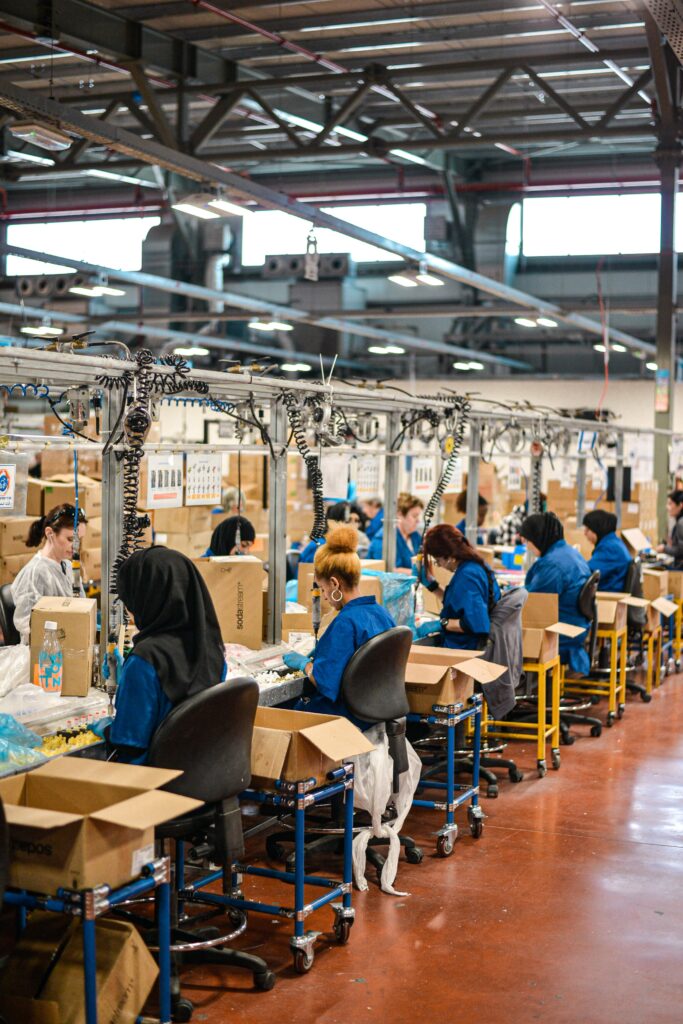
Photo of women working at a factory in a row
October 31, 2023

The German Agency for International Cooperation, the service provider in the field of international cooperation for sustainable development, recently hosted a webinar to highlight key changes between Higg FEM 3.0 and the forthcoming Higg FEM 4.0. Moderated by Rakesh Vazirani, head of sustainability services for business stream products, the webinar included Angela Ng, director of Higg Facility tools, in conversation with Mohammad Abdul Qaium, sustainability manager at OVS S.p.a., and Arunhariharan B S, sustainability analyst at Eastman Exports Global Clothing. The discussion was designed to educate attendees about what additional data manufacturers should start collecting for Higg FEM 4.0 in order to be better positioned to complete the self-assessment and verification, as well as how to best use the tool to drive impact. “The industry overall has certain goals for sustainability,” Vazirani said. “There are goals with regards to reduction of emissions, there are goals with regards to reduction of freshwater, and there are goals with regards to ensuring that biodiversity is not being negatively impacted. And of course the big picture goal is to have a circular textile value chain.”

Although the subject matter was high-level and technical, Ng noted the deep level of collaboration between SAC members that culminated in the update. “We spent the last two to three years working with over hundreds of members, stakeholders and facility users to collect feedback on the tool framework, scoring methodologies and all the questions’ content,” Ng said. “These insights coming from our key Member Expert Teams and Strategic Councils helped us identify gaps in regulations, industry standards and needs and incorporate these into the new version of the Higg FEM 4.0.”

As Ng detailed, this work fits into the SAC’s  broader vision of “Evolution for Impact” to drive scalable solutions for industry-wide decarbonization. As Qaium shared, OVS demonstrated this by introducing a Sustainability Linked Bond in 2021 and setting goals to achieve a  21 percent reduction in carbon emissions and ensure that 100 percent of their suppliers use the Higg FEM and Higg FSLM, with 80 percent of their volume verified by 2024.

Ng also explained framing around key changes to Higg FEM 4.0, including an increase in data points: Over 70 unique data points are part of the Higg FEM 4.0 update, including site permits, energy, water, emissions, waste and chemical management. Although industry progress is gradually improving -– the percentage of users meeting Higg FEM foundational requirements was 19 percent in 2022, versus 15 percent in 2021 -– Ng emphasized that the SAC views Higg FEM 4.0 as a game-changer for industry-wide progress. Through a single shared facility assessment tool, Higg FEM 4.0 is designed to reduce facility third-party assessments, fuel better quality data and align industry benchmarking. As Arunhariharan detailed, once the Higg FEM is adapted to the user’s facility, they will be able to set targets and understand barriers to achieving them.

Ng also touched on how the Higg FEM 4.0 aligns with key industry standards -– including the Greenhouse Gas (GHG) Protocol, Science-Based Targets initiative, and Zero Discharge of Hazardous Chemicals Roadmap to Zero -– as well as how the updated tool zeroes in on the most critical environmental impacts like groundwater contamination to ensure that it reflects the key impact areas where businesses need to evaluate and address current challenges.

Additionally, she talked about the improved assessment relevance. Through improved applicability criteria, users will now only see questions relevant to their specific operations, so they can spend less time on assessment questions that are irrelevant to them.

Finally, she discussed how the findings from Higg FEM 4.0 can be applied at scale. Once facility impacts are known, volume can be allocated to low-carbon suppliers -– a tactic that is already being seen among industry players. For example, Ng shared a recent analysis of Higg FEM data by carbon management company Reset Carbon which found the top 1,500 facilities contribute to around 79 percent of total emissions or some 82.8 million tons of carbon dioxide equivalents. In the best case scenario, the industry can see an estimated 10 to 25 percent carbon reduction by shifting sourcing. By tapping insights from Higg FEM 4.0, devoting jobs to the most sustainable suppliers, the hope is that industry players see drastic improvement.

The SAC has scheduled a series of events that focus on the Higg FEM 4.0 update, including a webinar on November 7 and an APAC session on November 8.

Sustainable Apparel Coalition Discusses “Actions to the Sustainability Journey” at Fashion Summit Hong Kong

  • Collective Action
  • Higg FEM
  • Higg Index Tools
  • Higg MSI
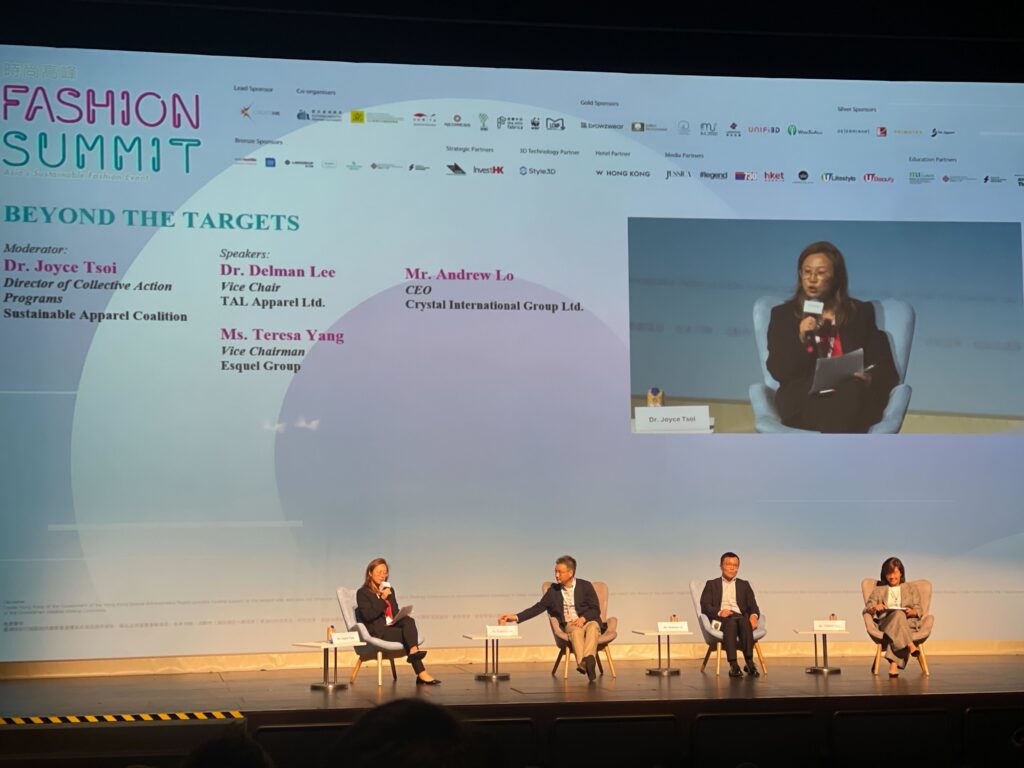
Joyce Tsoi speaking on stage at Fashion Summit HK
October 23, 2023

SAC executives Jeremy Lardeau, Vice President Higg Index, and Joyce Tsoi, Director, Collective Action Programs, APAC, presented at Fashion Summit (HK), the sustainable fashion event funded by Create Hong Kong and organized by the Clothing Industry Training Authority (CITA), in support of the 2024 theme: “Actions to the Sustainability Journey.” After opening speeches from Richard Cheng, Chairman of Fashion Summit (HK) 2023, Kevin Yeung Yun-hung, GBS, JP Secretary for Culture, Sports and Tourism, HKSAR Government, Hon. Sunny Tan, Member of the HKSAR Legislative Council (Textiles & Garment), and Yang Xiaodong, Vice President of the China Garment Association, Jeremy Lardeau, Vice President Higg Index, offered a keynote presentation on sustainability analytics in the apparel industry.

Lardeau initially shared background information about the SAC, the global multi-stakeholder nonprofit alliance that represents a diverse global membership of over 280 members – about 50% of the apparel and textile industry – in 36 countries. Lardeau explained that over the past two years, the organization has seen the greatest amount of growth, demonstrating the collaborative momentum of the industry coming together to address systemic challenges and co-develop solutions with an approach based in equal partnership.

Lardeau explored how the SAC’s work is anchored by the Higg Index, a suite of tools that measures social and environmental impact through five core tools based in three key categories: two Higg Product Tools and three Higg Facility Tools. “Developed in collaboration with our members, and employed throughout the decade as working tools achieving measurable sustainability goals, the Higg Index stands today as the leading example of end-to-end sustainability measurement index, for any industry,” Lardeau said. “These tools have matured into comprehensive, robust offerings ready to scale and form a template for our industry’s pursuit of impact improvements. Nonetheless, they will continue to evolve, as science improves and our understanding of the industry’s challenges deepen, allowing us to support our members and the industry.”

He then shared examples of how the tools serve the industry:

  • In collaboration with the World Resources Institute, the SAC leveraged Higg FEM data from nearly 18,000 facilities, and detailed material impact data from Higg MSI, to develop the most detailed apparel industry carbon emissions inventory. This work then helped identify and quantify the key interventions that can achieve a 1.5 degree aligned climate reduction target for the industry.
  • In partnership with Reset Carbon, the SAC used the Higg tools to dig deeper into facility level analysis, showing that of the 18,000 textile facilities that engaged in Higg Facility Environment Management (FEM) assessments, around 1,500 are responsible for 80% of their combined total carbon emissions. These were identified primarily as Tier 2 and laundry facilities located in China, Bangladesh, India, and Turkey. By quantifying the impact of interventions at this cohort of facilities, the data showed that offsite renewable electricity and energy efficiency are the two biggest levers for reducing carbon emissions at scale.

Finally, Lardeau closed with a challenge: “How do we finance, enable and execute these interventions, in a way that is fair and equitable across the value chain partners?” Building on this idea, Joyce Tsoi, SAC’s Director, Collective Action Programs, APAC, moderated a panel hosted by the Clothing Industry Training Authority that featured Delman Lee, Vice Chair of TAL Apparel Ltd. and SAC Immediate Past Board Chair, Andrew Lo, CEO of Crystal International Group Ltd., and Teresa Yang, Vice Chairman of Esquel Group.

As initial framing, Tsoi shared that companies around the globe are making bold commitments to combat climate change:  A recent Science Based Target Initiative (SBTi) report shows the highest number of companies set targets on record in 2022 alone than the entire seven years prior. And although an annual 4.2% emissions reduction is required for a 1.5ºC alignment for science-based targets, it was found that a typical SBTi-approved company has set even more ambitious goals, with a linear rate of 8.8% scope 1+2 reductions per year. In order to achieve these goals, Tsoi shared, companies will need to secure full organizational support for the company’s decarbonization priorities to achieve a just and equitable low carbon transition.

As all three panelists represent companies that have committed to long-term net zero goals by 2050, Tsoi asked questions that allowed them to share the pillars of their climate action programs, how they are incentivizing and empowering staff at all levels to take climate action, and how they are building collaborative ecosystems across organizations, sectors, and value chains to achieve a just and equitable low-carbon transition.

Sustainable Apparel Coalition Shares Independent Review of Higg Index Product Tools

  • Annual Meeting
  • Higg Index Tools
September 26, 2023

First of three reports published as SAC sets out how the Higg Index suite of tools will continue to evolve

BOSTON, Mass. — September 26, 2023: Today, the Sustainable Apparel Coalition (SAC) has shared in full the first of three reports from the Higg Index Review. This first report fulfills a commitment made last year by the SAC to engage industry experts on a technical review of the Higg Product Tools, based on content and methodology, with the resulting data delivered in an open and transparent way. Available for download here, the report sets out detailed recommendations for how the Product Tools can continue to develop and answer the evolving requirements of users.

Through the continuous evolution of the Higg Index tools, the aim is to provide users with access to the most up-to-date, accurate data against relevant industry standards in order to drive sustainable decision-making across the industry. For this review, KPMG was commissioned to coordinate and recruit a panel of ten experts. The report focuses on the following tools:

  • The Higg Materials Sustainability Index (Higg MSI) is the apparel industry’s most used tool to measure the environmental impacts of materials. It is a cradle-to-gate material assessment tool used by designers to help them make more informed and responsible choices around materials.
  • The Higg Product Module (PM) was launched in June 2021 to help organizations evaluate the full environmental impact of a product. It measures the cradle-to-grave environmental impacts of a product from the point of resource extraction to manufacturing impacts, all the way through product durability, care, and end of use. With a complete picture of a product’s footprint, designers and sustainability teams can find new opportunities to reduce impact – and accurately demonstrate improvement to stakeholders, and business partners.

“Science isn’t static — and neither are we,” said Jeremy Lardeau, VP of the SAC Higg Index. “The SAC is committed to the continued enhancement of the Higg Index tools, to better support the industry to achieve its sustainability goals. Through ongoing updates, our tools become more and more powerful to drive greater impact across the value chain.”

Reflecting the diverse and complicated nature of product sustainability assessments, the reviewers were not unanimous in their findings. While the report highlights that the Higg MSI and Higg PM tools demonstrate strengths, more important to the SAC is how this critical analysis reveals where additional improvements are necessary.

“The SAC Board of Directors thanks each expert involved in the review for providing their insights and direction to the SAC,” said the SAC’s Board of Directors in a collective statement. “This review highlights the complexity of product sustainability assessments, which cover collecting, measuring, and appropriately utilizing sustainability impact data originating at the early stages of global supply chains for business decisions. Moreover, the often diverging expert viewpoints shared in the report reinforce the need for robust collaboration toward delivering a harmonized approach to value chain sustainability data.  We commend the SAC for conducting this expert review and commit to empowering the SAC to integrate appropriate recommendations into the SAC’s strategic plan, while inviting interested stakeholders to join this effort.”

In some cases, the recommendations for action found in the report are already underway, including:

  • expanding the Higg Facility Environmental Module (FEM) to add factory-specific data and improve geographical coverage in order to directly inform LCA data within the Product Tools;
  • actively working to improve data quality of the background datasets, specifically in cotton fiber  and textile wet processing;
  • exploring the best way to fold the Higg MSI into the Higg PM, so that the material life cycle data is viewed as part of full product LCAs; and
  • aligning with the EU Product Environmental Footprint (PEF) – an evolving LCA methodology, that aims to create a harmonized common framework for calculating and communicating impact — once it is finalized and, if applicable, with other common standardized methods in the future.

In other cases, recommendations for improvement will be incorporated during the next phase of tool development by the SAC, including, for example, adding signals and warnings on front-end content within the platform, as well as offering more training sessions and educational opportunities to help users correctly and more effectively use the tools.

Finally, taking action on some of the expert recommendations will require a deeper process of stakeholder engagement and research in order to confirm both applicability and feasibility. For example, the SAC is closely monitoring the progress made in ways to assess the full impacts of marine litter and microplastics in LCA data.

Ultimately, the ongoing evolution of the tools means the SAC will continue to assess the experts’ recommendations over the coming months and how best to implement them in the tools’ development roadmap.

“At Eastman Exports, we’ve seamlessly integrated the Higg Materials Sustainability Index (MSI) and the Higg Product Module (PM) into our core sustainability strategy,” said Alagesan Senniappan, Senior Vice President, Quality Assurance/ESG. “The Higg MSI has empowered us with a profound grasp of our materials’ environmental impact, facilitating data-driven decisions and the adoption of sustainable alternatives. The Higg PM has been transformative in evaluating our product life cycles, pinpointing critical areas for reducing our environmental footprint – from raw material sourcing to end-of-life considerations. Our unwavering commitment is to continue this sustainability journey with the invaluable support of these indispensable tools.”

The remaining Higg Index Review reports for the Higg Brand and Retail Module (BRM) and the Higg Facility Environmental Module (FEM) are expected in 2024. The Higg BRM was recently updated in March 2023, and the Higg FEM tool will be updated in November 2023. Based on the timing of these updates, the Higg Product Tools were reviewed first. The remaining Higg Index Review reports will be shared in full by the SAC once they have been finalized by the review panels.

— ENDS —

For more information please contact SAC@forster.co.uk

About the Sustainable Apparel Coalition:

The Sustainable Apparel Coalition (SAC) is an independent and impact-creating organization that aims to lead the industry toward a shared vision of sustainability based upon a joint approach for measuring, evaluating, and improving performance.

As a non-profit organization, it has members from across the apparel, footwear, and textile sector, but exists independently outside any one company so that it can drive progress. The SAC’s collective action efforts bring more than 280 global brands, retailers, manufacturers, NGOs, academics, and industry associations together. They represent about half of the apparel and footwear industry along the whole supply chain – from sustainability pioneers to organizations just getting started.

Before the SAC existed, companies worked in a siloed way, using their own programs and measurements that lacked standardization and an ability to drive collective action. In 2009, Walmart and Patagonia identified this as a serious problem. Joining forces, they brought together peers, competitors, and relevant stakeholders from across the sector to, on a pre-competitive basis, develop a universal approach to measuring sustainability performance and founded the Sustainable Apparel Coalition.

LinkedIn | Twitter | Instagram | Facebook | YouTube

About the Higg Index:

The Higg Index is an SAC-owned suite of data-driven tools for brands, retailers, and manufacturers to measure sustainability performance in the apparel, footwear, and textile industry. Owned by the SAC, the tools are exclusively licensed to Worldly. For more information, visit worldly.io/. The Higg Index comprises a set of five independent tools that make it possible to measure the environmental and social impacts of how, where, and under what conditions products are made, as well as the companies making them. The tools provide a standard process for assessment that can then be used for benchmarking, allowing users to leverage verified data to track, manage, and improve their performance. The tools also offer those just beginning their efforts a structured place to start which can make the process of data collection and strategy development less overwhelming.

About the tools reviewed in the report:

The Higg MSI is a cradle-to-gate material assessment tool that calculates environmental impacts of materials used in the textile, apparel & footwear industry such as ready-to-be-assembled textiles, trims, and packaging featured in products. The tool aims to enable design and development teams to identify hotspots and make more sustainable choices during the materials selection process. The Higg MSI uses peer-reviewed data submitted from the industry and life cycle assessment databases to calculate environmental impacts. The tool measures environmental impact in five areas: global warming, nutrient pollution in water (eutrophication), water scarcity, abiotic resource depletion of fossil fuels, and chemistry. Higg MSI results are provided individually for each impact category and are displayed into two formats: LCIA units and Higg MSI score. The LCIA units represent the environmental impact for the specific impact category (e.g. kg CO₂e with regards to global warming potential). The Higg MSI score, in turn, is based on a linear normalization set upon the weighted average impact of the most used materials within the industry.

The Higg PM assesses the cradle-to-grave environmental impacts of products made by the textile, apparel & footwear industry. This assessment includes the impacts of the specific materials used in a product, the impacts from finished goods’ manufacturing processes, as well as the impacts of logistics (transportation and distribution), use phase, and end of life. The Higg PM integrates Higg MSI outputs to provide a full life cycle assessment. The Higg PM shares the same five impact categories as the Higg MSI. Higg PM results are provided individually for each impact category and are displayed in terms of LCIA units. The Higg PM aims to help companies understand the environmental performance of their products’ portfolio and enable progress on circularity goals.