Cascale’s Higg MSI Unveils New Cotton LCA Methodology
  • Higg Index Tools
  • Higg MSI
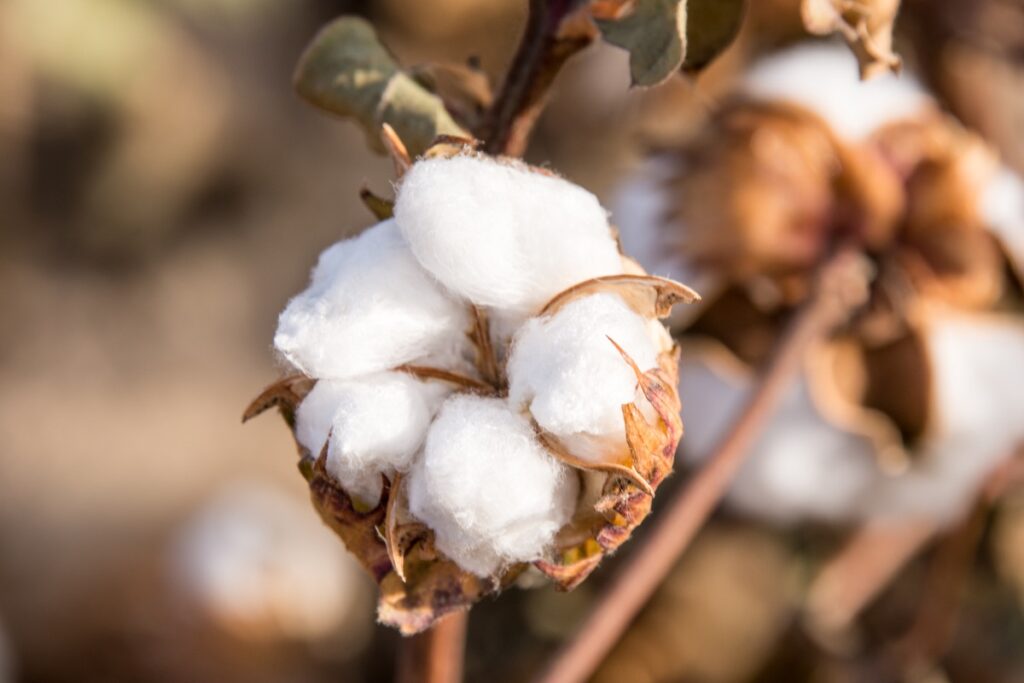
Close-up photo of cotton plant.
October 24, 2024

Developed over three years in collaboration with industry experts and stakeholders, the MSI cotton methodology sets a new bar for more consistent and timely cotton LCA data in the Higg MSI.

Amsterdam, Hong Kong, Oakland (CA) — October 24, 2024: Cascale, formerly the Sustainable Apparel Coalition, has unveiled a new cotton LCA methodology for the Higg Materials Sustainability Index (Higg MSI), offering unprecedented accuracy and consistency in assessing the environmental impacts of cotton fiber. This new methodology provides businesses with reliable data to make informed sourcing and sustainability decisions. Data modeled with this methodology will be released on this and future updates to the Higg MSI, exclusively available on the sustainability data insights platform Worldly, reflecting significant industry-wide collaboration.

The Higg MSI is a cradle-to-gate material assessment tool that calculates environmental impacts from the extraction or production of raw materials, through manufacturing and finishing to the point where the material, trim/component, or packaging is ready to be assembled into a final product. For the past three years, experts and stakeholders convened by Cascale as part of the Higg MSI Methodology Cotton Expert Team collaborated on a cotton-specific methodology and model, providing an industry-aligned method for assessing the environmental impact of the fiber, following LCA principles. This updated cotton methodology not only strengthens sourcing decisions within the cotton sector but also sets a precedent for improving data transparency across other fibers and materials in the Higg MSI.

Standardized data collection and consistent modeling ensure that reliable cotton impact results are available through the Higg MSI. Transparent and usable environmental impact data helps drive further sourcing of preferred cotton through producer programs. In addition, the cotton LCA methodology is designed to accurately demonstrate the impacts of field practice improvements over time, providing Higg MSI users with more steering information and enabling more accurate impact monitoring. Cascale will continue to integrate more accurate and continuously evolving cotton LCA data into future updates of the Higg MSI tool.

“This update is a testament to the power of industry-wide collaboration,” said Joël Mertens, Director of Higg Product Tools at Cascale. “By bringing together diverse stakeholders who work directly with cotton growers we’ve created a methodology that not only improves cotton LCA data, but advances transparency through continuous updates and evolution. This in turn allows for better partnerships and decision-making across supply chains to drive real sustainability outcomes.”

Participants in the Higg MSI Methodology Cotton Expert Team included 13 member organizations representing global cotton programs and industry stakeholders.

“Measuring the environmental impact of sustainable cotton production in a meaningful and consistent way is important to enable textile manufacturers, and ultimately consumers, make sustainable choices”, said Prakash Philip, Global Director, Strategy and Impact at CottonConnect. “That’s why, as part of Cascale’s MSI Methodology Cotton Expert Team, CottonConnect contributed to the development of a Higg MSI cotton-specific LCA methodology to enable a standardized, industry-wide method.”

“This Cascale initiative shows the desire of our peers around the world to ensure if an LCA method is used – such as for hotspot analysis, risk assessment, and demonstrating impact – it uses best available data, and complements the Australian cotton industry’s long record of collaboration and data transparency”, said Cotton Research and Development Corporation (CRDC) Executive Director Allan Williams. “The Australian cotton industry expects this new Cascale Cotton Methodology will give textile and apparel customers greater confidence in Australian cotton and potentially help them identify areas to work with the Australian cotton industry to further reduce their impacts.”

“This extensive collaboration led to a method enabling more accurate and frequent measurement of cotton’s sustainability. This is crucial as we track our improvements over time and meet the growing demand for data and transparency”, said Jesse Daystar, Ph.D., Chief Sustainability Officer at Cotton Incorporated. “We hope initiatives like this inspire efforts to improve the data quality across fiber types, such as polyester, as many existing data sources are becoming outdated and lack geographic representation.”

“There is significant demand for LCA data, but we’ve lacked the standardized approach to fully harness its potential and clarify its correct use”, said Miguel Gomez-Escolar Viejo, Head of MEL at Better Cotton. “This new cotton LCA methodology could be truly transformative: avoiding errors from the past, aligning the industry’s evaluation methods and fostering more meaningful collaboration and future advancements.”

“The Trust Protocol supports this updated cotton LCA methodology and appreciates the opportunity to have been part of the working group from the beginning,” said Daren Abney, Executive Director of the U.S. Cotton Trust Protocol. “The inclusion of more data sources will be a welcome step towards greater accuracy and transparency in understanding the environmental impacts of cotton production. We look forward to the incorporation of the Trust Protocol’s data in the next edition of the Higg MSI, further strengthening the tool’s ability to drive positive change within the industry.”

By harmonizing methodologies and aligning industry practices, Cascale’s Higg MSI update ensures that data related to cotton’s environmental impact is both accurate and transparent, providing a critical step forward to ensure stakeholders across the value chain are equipped to make informed decisions based on credible, standardized information. Cascale remains at the forefront of advancing sustainability by continuously evolving the Higg Index, ensuring that our members have the most accurate, timely, and actionable data to drive progress across the entire value chain. The first LCIA results from a participating program are now available in the Higg MSI. Data from several other programs is currently under review and are on track to be approved and added to the Higg MSI before the end of 2024.


About Cascale 

Cascale is the global nonprofit alliance empowering collaboration to drive equitable and restorative business practices in the consumer goods industry. Formerly known as the Sustainable Apparel Coalition, Cascale owns and develops the Higg Index, which is exclusively available on Worldly, the leading sustainability data insights platform. Cascale unites over 300 retailers, brands, manufacturers, governments, academics, and NGO/nonprofit affiliates around the globe through one singular vision: To catalyze impact at scale and give back more than we take to the planet and its people.
LinkedIn | X | Instagram | Facebook | YouTube

Cascale Participates in “To the Finish Line” Event in Vietnam

  • Higg FEM

Dhawall Mane director, verification, training and insights, participated in a virtual To the Finish Line (TFL) event organized by GIZ in Vietnam.

October 17, 2024

Cascale team member Dhawall Mane director, verification, training and insights, recently participated in a virtual To the Finish Line (TFL) event organized by Deutsche Gesellschaft für Internationale Zusammenarbeit (GIZ) in Vietnam.

TFL is a program designed to support continued environmental performance in Vietnam’s apparel supply chain through the effective use of Cascale’s Higg Facility Environmental Module (Higg FEM) tool, which is exclusively available on Worldly. More than 700 manufacturers were invited to attend the town hall event; most participants were Higg FEM users.

Higg FEM is a transformative tool used to assess the environmental impact of product manufacturing at facilities, including water use, waste management, chemical, and energy use. In doing so, it not only uncovers hotspot areas for improvement, but also reduces redundancy, mitigates risk, and creates a common language to communicate sustainability to stakeholders. Vietnam is currently the second-highest ranked in v-Higg FEM country average score (Higg FEM 2022) and, reflecting Cascale’s own founding and guiding principles, TFL aims for pre-competitive collaboration for collective action.

Through TFL, manufacturers in the region can share knowledge to support environmental sustainability while responding to evolving needs for due diligence and shared responsibility. Participants are also invited to join a Professional Peer Community of Learning for Action on Higg FEM and beyond. Established in 2022 and running continuously since then, the goal of the TFL program is to create an exchange platform of practical knowledge by industry for industry, supporting peer-to-peer learning and problem solving.

The large-scale and practical TFL training program consists of two web-based sessions designed to elevate understanding of aspects of the Higg FEM, including management of energy, water, waste, chemicals, and greenhouse gas emissions. In the “Scaling Collective Action” session to which Cascale’s Mane contributed, regional industry stakeholders discussed practical tips on implementation. These included pooling financial and time resources, as well as what impact the TFL program has had so far and how the industry can adopt similar collective action programs in different sourcing regions.

Mane emphasized the importance of taking a systems approach in tracking data and of entrusting this responsibility to qualified, accountable personnel such as those trained through the program. “TFL is a shining example of Vietnam’s leadership in undertaking supply chain capacity building programs for Higg FEM,” Mane said.

Cascale, Worldly Host Climate Event, Mark Decarbonization Steps

  • Decarbonization
  • Higg Index Tools
  • Leadership
  • NY Climate Week

Aligned organizations Cascale and Worldly held a first-ever joint event during  New York Climate Week. Cascale (formerly the Sustainable Apparel Coalition) is the global nonprofit alliance for the consumer goods industry; Worldly is the exclusive platform for Cascale’s Higg Index and the most comprehensive sustainability data and insights platform.

September 27, 2024

Aligned organizations Cascale and Worldly held a first-ever joint event during  New York Climate Week. Cascale (formerly the Sustainable Apparel Coalition) is the global nonprofit alliance for the consumer goods industry; Worldly is the exclusive platform for Cascale’s Higg Index and the most comprehensive sustainability data and insights platform.

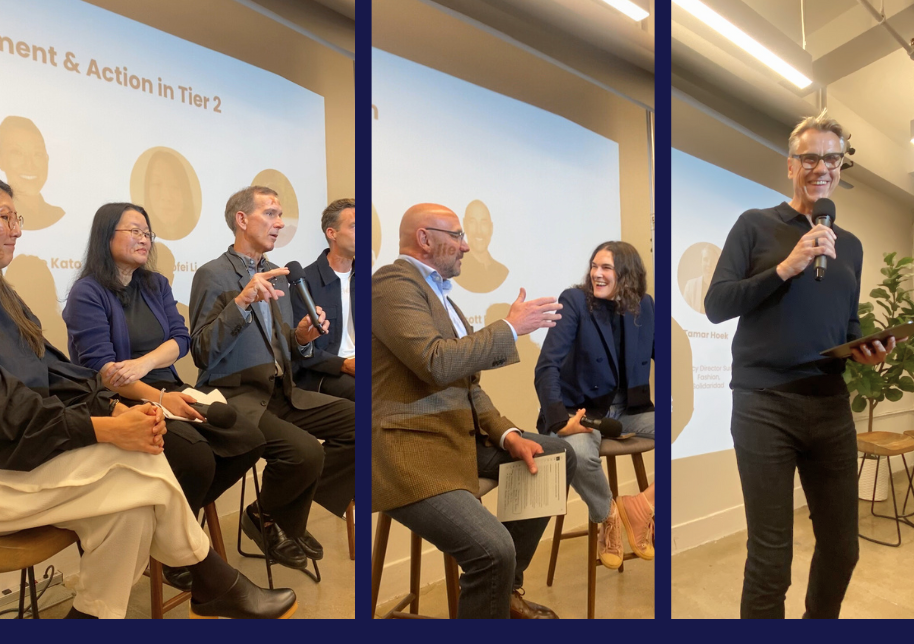
At the co-hosted “Chatting Climate & Consumer Goods” event held in New York City’s Garment District, speakers and attendees delivered deep supply chain decarbonization insights, building on presentations at the Cascale Annual Meeting and Worldly Customer Forum in Munich earlier this month. Attendees included Cascale members PVH, Patagonia, Lululemon, The Children’s Place, as well as guests including LVMH, among others. Hosts and speakers offered expertise on decarbonization, identifying improvements in supplier engagement, and setting science-based targets.

Colin Browne, CEO, Cascale; Scott Raskin, CEO, Worldly; and Tamar Hoek, Cascale Board Chair and senior policy director sustainable fashion, Solidaridad began the event with a call to action. “You only get so far with voluntary actions,” Browne said, outlining how sustainability regulation will change our workforce and become an imperative, while Raskin invited the audience to challenge the discussions adding, “Let’s not have the same conversations.” “If we really want to have a good future for future generations, then we have to save planet earth,” Hoek said, conveying hope but acknowledging the “long road ahead.”

In the first session, Lewis Perkins, president and CEO, Apparel Impact Institute, joined the stage alongside Browne for a conversation on “Scaling Decarbonization.” The executives discussed the collaborative work between Aii and Cascale and how the organizations are aligning on critical solutions and financing strategies. “Going forward, carbon is going to be an important metric.” Browne said of optimized sourcing strategies. “We need to do less to do more.”

Perkins outlined four components of the “Industry Decarbonization Roadmap,” or IDR, as well as Aii’s $250 million-dollar Fashion Climate Fund and interlinked Climate Solutions Portfolio. IDR is a roadmap for companies operating in regions where greenhouse gas emissions are highest to map, identify, and act. He then shared four key components to the IDR, which include a standardized technical methodology, development of a facility carbon benchmark, funding and financing, and engagement and commitment. “I’m not here to push debt on any suppliers,” he said, stressing that  the “holy grail” for brands and retailers should be long-term partnership agreements. Perkins mentioned The Future Supplier Initiative, which aims to reduce the financial burden for suppliers by working in unity with fashion brands to lower costs.

Next, in a special pre-recorded session, “Manufacturer Message: Live from Jakarta,” Sunil Shewakramani, CEO Busana Apparel Group, and Andrew Martin, executive vice president of Cascale, discussed the synergy between brands and suppliers and the moral imperative to do right by people and planet. Shewakramani said doing good is a “competitive advantage” in terms of how the 49-year-old business looks at green investments. Busana Apparel Group ranks among the largest garment manufacturers and exporters globally, with 24 global facilities and a number of Leed Certifications from the Green Building Council. Martin emphasized Cascale’s intent to elevate manufacturers’ voices, to which Shewakramani added: “The whole thing needs to change from ‘I’ to ‘we.’”

After a networking break, Cascale’s director of Higg Transparency, Chris Marshall, joined the stage to moderate the panel “Climate Engagement and Action in Tier 2.” Speakers included Jimmy Summers, vice president – EHS/sustainability at Elevate Textiles, Inc.; Xiaofei Li, senior manager, material sustainability and transparency at Eileen Fisher; and Stefanie Kato, Worldly associate director of accounts.

“The thing that does motivate us is business — across the board,” said Summers. “One of the promises was that [the Higg Index] would reduce the number of audits — and promise delivered. We went from 12 audits at a facility to maybe three.” Kato spoke of the ways Worldly is match-making brands with suppliers in the same network, so data points are aligned, and. stressed the need for quicker frequency in data. Finally, Li shared how Eileen Fisher is approaching the Tier 2 decarbonization journey. “We worked very hard to have our suppliers adopt Higg FEM. To incentivize that we incorporated Higg FEM in our Tier 1 scorecard and Tier 2 mill scorecard,” she said, confirming the importance of supporting suppliers with  expertise and financing.

In a final session, “Transparency In Action,” Worldly’s Scott Raskin and Natalie Grillon, CEO of Open Supply Hub, explored the potential for data harmonization in facilities. The organizations are in close collaboration offering an API integration for the data.

As moderator, Raskin explored several critical themes during the discussion. He began by asking Grillon to outline the latest developments at Open Supply Hub (OSH), seeking insight into its current priorities and areas of exciting progress. This set the stage for a deeper exploration of industry trends, particularly the movement toward data harmonization within the consumer goods sector, highlighting the growing importance of integrated and standardized data. He also delved into how the adoption of OSH by multi-stakeholder initiatives (MSIs) improves collaboration across supply chains, reflecting his interest in how these partnerships can strengthen supply chain relationships and shared goals. He reinforced that transparency in data is Worldly’s mission.

Grillon gave a recap of her career trajectory working in international development with farmers in countries from Uganda to Mali before founding Open Supply Hub in 2019. Since its launch, Open Supply Hub has expanded its mandate into broader consumer goods and now has nearly 500,000 users today across the value chain, with a target of five million by 2026. Through the platform, users can access information on facility names and locations, as well as organizations affiliated with a specific facility, which promotes shared solutions. “The idea behind these initiatives is shared progress,” Grillon said.


Reflections on the Founding of Cascale: A Vision That Endures

  • Annual Meeting
  • Decarbonization
  • Higg Index Tools

Cascale’s co-founder reflects on the organization’s origins and roadmap for future success from the Annual Meeting in Munich.

Headshot of Rick Ridgeway
Rick Ridgeway
September 20, 2024

In 2010, a conversation between Patagonia and Walmart sparked an idea that would reshape the sustainability landscape for the apparel and footwear industry.

At the time, I was at Patagonia, working on environmental initiatives, when Walmart approached us for feedback on a supplier scorecard they were developing. It was a basic concept, but it got me thinking—what if we could build a coalition of apparel and footwear companies to develop a robust, industry-wide standard for measuring sustainability? It was a long shot, but we accepted the challenge and we code-named the effort “David and Goliath,” borrowing inspiration from the timeless fight between unmatched strengths. Walmart surprised us—they wanted to be David, and Patagonia would be Goliath.

From the beginning, we knew the initiative needed to go beyond just brands and manufacturers. We aimed to create a multi-stakeholder alliance that included NGOs, governments, academia, and other key players. This inclusive approach was critical to ensuring that the solutions we developed were robust, credible, and widely accepted.

A Mission Rooted in Collaboration and Pragmatism

The founding principles of Cascale were straightforward but ambitious: Build on existing work to move quickly and don’t let perfection stand in the way of progress. With these values in mind, we reached out to CEOs of various companies, NGOs, and universities to establish a universally-accepted approach for measuring sustainability in the apparel sector. This effort quickly gained traction, and the group, originally named the Sustainable Apparel Coalition, grew rapidly.

Our early vision was simple yet ambitious: Create business value by reducing environmental impact and increasing social justice across the value chain. The strategy was also simple yet ambitious: manage impact by measurement that was deep, wide and standardized. To help understand how strategy could lead to vision, we brought in a team of complex systems analysts from the Massachusetts Institute of Technology (MIT) to map out a measurement tool–an index–that, put in the hands of key decision-makers, could incentivize them to make better decisions.

The MIT team gave us a Theory of Change and we built a 1.0 version of the tool. But we needed a name for the tool that could transcend apparel. At the same time, we learned that a group of physicists had discovered a subatomic particle that was going to unify the universe, and they were going to call it the Higgs Boson. I smiled and said, “If the Higgs Boson particle is going to unify the universe, then the Higg Index was going to save it.

Sharing Our Vision in Munich

At Cascale’s recent Annual Meeting in Munich, I had the opportunity to reflect on these early days and share why our founding mission remains as critical today as it was over a decade ago. The challenges we set out to address then—fragmented efforts and outdated practices—are still prevalent. Today, the urgency is even greater. Emissions are on track to be 2.5 times higher than needed by 2030 if we don’t act decisively. Cascale was created to provide a unified solution to these industry-wide challenges, and the need for a coordinated, collective effort is now more important than ever. From its simple spreadsheet origins, the Higg Index has evolved into a critical suite of tools relied on by over 40,000 users to decrease environmental impact and increase social justice unlike any other industry.

The Path Forward: Accountability, Transparency, and Collective Action

One of the key points I shared in Munich was the importance of accountability and transparency—areas where Cascale has made progress but where there is still much work to do. Cascale’s strength lies in its ability to unite diverse perspectives and drive collective action. The Higg Index continues to provide essential data and insights that empower decision-makers across the value chain to make better, more informed choices, but we have to hold the industry to account for its performance..

Looking ahead, Cascale is uniquely positioned to lead the industry towards a more sustainable future – especially in the critical area of decarbonization. By focusing on key areas like eliminating coal, increasing renewable energy use, and improving energy efficiency, and by working closely with partners like the Apparel Impact Institute and RESET Carbon, Cascale is building an Industry Decarbonization Roadmap that supports suppliers in making meaningful reductions.

Why Cascale’s Original Vision Still Matters

Reflecting on our journey, it’s clear that Cascale’s founding principles are just as relevant today. The idea that brought us together remains the guiding force behind every initiative. The potential is enormous, and with the right tools, partnerships, and a commitment to continuous improvement, Cascale stands ready to guide the industry forward.

The Higg Index may not literally save the universe, but it represents our best attempt at saving our one and only home planet.

Sappi’s Data-Driven Sustainability

  • Manufacturers
  • Higg FEM

Discover how Sappi harnesses data and innovation to pave the way toward a sustainable future and set new industry benchmarks.

August 28, 2024

“At the Cloquet Mill, we are constantly striving for more innovation and more improvement. With tools like the Higg FEM, we are able to collect data, know where we stand, set informed goals, and make a plan for how we can achieve our sustainability strategy and continue to mitigate climate change.”

— Tom Radovich, Managing Director, Cloquet Mill, Sappi North America.


In a significant achievement, Sappi’s Cloquet Mill in Cloquet, Minnesota, is one of the first dissolving pulp facilities to complete an external environmental management verification process.

The mill achieved an overall score of 91.5 percent in 2022 in the Higg Facility Environmental Model (Higg FEM) audit, earning a verified score of 100 percent in the categories of energy, water, and wastewater management. According to Krelyne Andrew, general manager, sustainability for Verve, Cloquet Mill has been adopting and verifying the Higg FEM for five years. Dissolving pulp manufactured at the Cloquet Mill meets EU Ecolabel requirements for textile and non-woven wood-based fibers, and Verve from the Cloquet operation continues to remain a fiber of choice for their customers.

The Cloquet Mill, one of the newest modern pulp mills in North America, is ISO 14001-certified and has recently undergone significant process improvements from award-winning projects1 targeting water-use reduction, energy savings, and improving pollution control through equipment upgrades to the boilers. Today, over 80 percent of the mill’s total energy use is from renewable resources, and over 90 percent of the power used is generated on-site from renewable fuels.

Leveraging the power of data and insights from the Higg FEM, Sappi not only tracks and reports annual energy use and carbon emissions but also identifies and prioritizes areas for performance improvement. Cloquet achieves these excellent results through the use of live, online monitoring of various process parameters and focuses on areas that allow for continuous improvement coupled with capital investments.

Cascale manufacturer member Sappi is a leading global provider of everyday materials crafted from wood-based fiber from renewable resources, with raw materials including dissolving pulp, wood pulp, and biomaterials. Aligned with their Thrive strategy, Sappi has set and achieved ambitious sustainability initiatives that include greenhouse gas reduction, specific energy reduction, and landfilled waste reduction. Sappi’s Cloquet Mill prioritizes the protection of the environment through pollution prevention and manufacturing efficiency.

Headquartered in Johannesburg, South Africa, Sappi employs over 12,000 individuals in manufacturing facilities in nine countries on three continents. Sappi is a diversified, innovative, and trusted leader focused on sustainable processes and products, building a more circular economy using every part of the tree.


1 Sappi’s Cloquet Mill won the American Forest & Paper Association’s 2023 Leadership in Sustainability Award for Water Management for its “Cloquet Mill Effluent TSS Reduction” project, which was designed to find a new chemical treatment program to reduce the total suspended solids (TSS) and biological oxygen demand (BOD) substances in the mill’s effluent, thereby reducing the load being sent to the Western Lake Superior Sanitary District in Minnesota. The project achieved an immediate and consistent reduction in TSS of 11,500 lbs. per day, a reduction in BOD of 1,800 lbs. per day, and a reduction in mercury to the sanitary district from 37.9 ppt to 6.3 ppt.

Higg BRM Looks to Support CSRD Compliance, Per White Paper

  • Higg BRM
  • Higg Index Tools
  • Legislation and Policy
Clothing hanging on a rack
Black and white headshot of Adrian Branco
Adrián Branco
August 15, 2024

With reporting compliance around the corner, Cascale published a white paper showcasing how the Higg Brand and Retail Module (Higg BRM) is answering the call.

In the face of today’s challenging and ever-changing legislative landscape, brands and retailers require reliable tools to support them in meeting compliance requirements. In short, The Corporate Sustainability Reporting Directive (CSRD) mandates the development of detailed reporting standards, known as the European Sustainability Reporting Standards (ESRS). In 2025, companies subject to reporting will be required to comply with CSRD by reporting 2024 data. The CSRD amends and strengthens the existing Non-Financial Reporting Directive (NFRD). Compared to NFRD the CSRD reporting process will be more complex, comprehensive, and stringent.

Cascale? Ready for Regulation 

The Cascale team has been readying for regulation with its Higg Index toolset.

Although not designed to be a comprehensive compliance sweep, the Higg Brand and Retail Module answers many of the ESRS reporting requirements while providing companies detailed mapping against ESRS topical standards. Each topical standard includes disclosure requirements that organizations must follow to report on their sustainability impacts, risks, opportunities, and performance related to the specific topic.

Regarding Cascale’s recently published Higg BRM x CSRD white paper, Maravillas Rodriguez Zarco, senior director, Higg Index strategy and operations at Cascale said, “We are dedicated to ensuring the latest version of Higg BRM is fit for purpose in supporting our members in their compliance journeys, especially as the white paper has shown for the European Union’s Corporate Sustainability Reporting Directive (CSRD). As it exists today, we know the tool is a valuable asset for users that have to report following ESRS. The Higg BRM will continue to play a pivotal role in the regulatory compliance process. With the Higg BRM, consumer goods companies can not only meet relevant regulatory requirements but elevate their sustainability performance.”

Companies Must Double Down

In their compliance journey, companies will need to undertake a double materiality assessment, per EU law.

The double materiality assessment means a company has to conduct an impact materiality assessment and a financial materiality assessment, showcasing clear consideration to people and the planet.

The Higg BRM specifically supports users with its impact materiality assessment The ESRS also acknowledges the importance of “entity-specific disclosures.” Uniquely, the Higg BRM presents an opportunity to assist users in disclosing industry-specific material topics with the necessary depth and granularity. These are nuanced topics that the agnostic ESRS may not cover adequately.

In the future, the Higg BRM team will further enhance tool alignment with the CSRD and other relevant regulations. By identifying and bridging gaps, the Higg BRM will further support stakeholders in achieving a more structured and transparent approach to sustainability reporting.

Cascale’s Higg Index Tool Evolution Helps Consumer Goods Companies Meet New EU Reporting Obligations

  • Higg BRM
  • Legislation and Policy

In an era where sustainability reporting is more critical than ever, Cascale’s Higg BRM is leading the charge to help brands meet new EU standards.

Close up of person holding folded stack of jeans
August 14, 2024

In an era where sustainability reporting is more critical than ever, Cascale’s Higg BRM is leading the charge to help brands meet new EU standards

Amsterdam, Hong Kong, Oakland (CA) — August 14, 2024: Cascale, formerly the Sustainable Apparel Coalition, has published a white paper that details how the organization’s Higg Brand & Retail Module (BRM) can help companies meet their regulatory reporting obligations under European Union (EU) law. The paper, titled “How the Higg BRM Supports CSRD Reporting Obligations,” speaks specifically to how the tool is continually evolving to support companies in meeting their regulatory reporting requirements under the EU’s Corporate Sustainability Reporting Directive (CSRD).

In the face of today’s challenging and ever-changing legislative landscape, brands and retailers require reliable tools to support them in meeting compliance requirements. The Higg BRM is the leading framework specific to the textile, apparel, and footwear industry designed for brands and retailers to evaluate, assess, and improve Environmental, Social, and Governance (ESG) performance. The tool assesses 11 critical impact areas along global value chains to foster a holistic approach to sustainability, and is exclusively available on Worldly, the most comprehensive sustainability data and insights platform.

“Through continuous evolution and updates, the Higg BRM empowers organizations to not only meet relevant regulatory requirements, but to forge ahead with impactful, data-driven sustainability strategies,” said Maravillas Rodriguez Zarco, senior director, Higg Index strategy & operations at Cascale. “The Higg BRM plays a pivotal role for companies who are navigating this complex regulatory landscape.”

Higg BRM Alignment 

The Higg BRM has evolved to assist brands and retailers in fulfilling reporting obligations, while also supporting companies in the development of consistent corporate sustainability strategies to streamline efforts and reduce redundancy across sustainability initiatives. Beginning in 2024, Cascale conducted a thorough analysis of the European Sustainability Reporting Standards (ESRS), which provides specific guidance on how companies should report on sustainability. Cascale mapped how the standards align with the Higg BRM, offering a clear pathway for organizations aiming to comply with ESRS. As detailed in the white paper, there is a 65 percent content overlap between the ESRS and the Higg BRM.

While the Higg BRM aligns broadly with ESRS on sustainability topics, it also delves deeper into issues that are specific to the textile, apparel, and footwear sector. This focus on sector-specific material issues ensures Higg BRM users can expect a comprehensive tool that not only meets general reporting requirements but also emphasizes the nuances and priorities unique to the industry.

Cascale is currently hosting an ongoing webinar series titled “Navigating Legislation & the Higg Index,” which highlights how the Higg Index tools serve as a valuable resource and can offer specific guidance on reporting requirements. The most recent webinar, co-hosted by Cascale and Worldly, provided an in-depth discussion on how the Higg BRM intersects with key pieces of legislation at the EU level, such as the CSRD.

Cascale is committed to continuously evolving, updating, and refining the Higg Index to meet the needs of its members, Higg Index users, and the industry. In collaboration with Worldly, the Higg BRM will be further refined to enhance alignment with the CSRD and other relevant regulations. By identifying and bridging gaps, the Higg BRM continues to support stakeholders in achieving a more structured and transparent approach to sustainability reporting.


About CSRD

The CSRD represents a significant leap forward in the corporate reporting landscape within the European Union. It is a directive that requires transposition into the national law of all 27 EU Member States, establishing its requirements as legally binding for companies within its scope. The goal of the CSRD is to enhance the scope and quality of sustainability reporting across the EU, ensuring that sustainability disclosures are more consistent, comparable, and reliable for stakeholders to make informed decisions.

To achieve this, the CSRD mandates the development of the European Sustainability Reporting Standards (ESRS). Designed by the European Financial Reporting Advisory Group (EFRAG), the ESRS provides specific guidance on how companies should report on sustainability. These standards require companies to provide detailed disclosures encompassing qualitative and quantitative information across a range of sustainability topics, such as climate change, environmental protection, social rights, and employee matters.

About Cascale 

Cascale is the global nonprofit alliance empowering collaboration to drive equitable and restorative business practices in the consumer goods industry. Formerly known as the Sustainable Apparel Coalition, Cascale owns and develops the Higg Index, which is exclusively available on Worldly, the most comprehensive sustainability data and insights platform. Cascale unites over 300 retailers, brands, manufacturers, governments, academics, and NGO/nonprofit affiliates around the globe through one singular vision: To catalyze impact at scale and give back more than we take to the planet and its people.
LinkedIn | X | Instagram | Facebook | YouTube

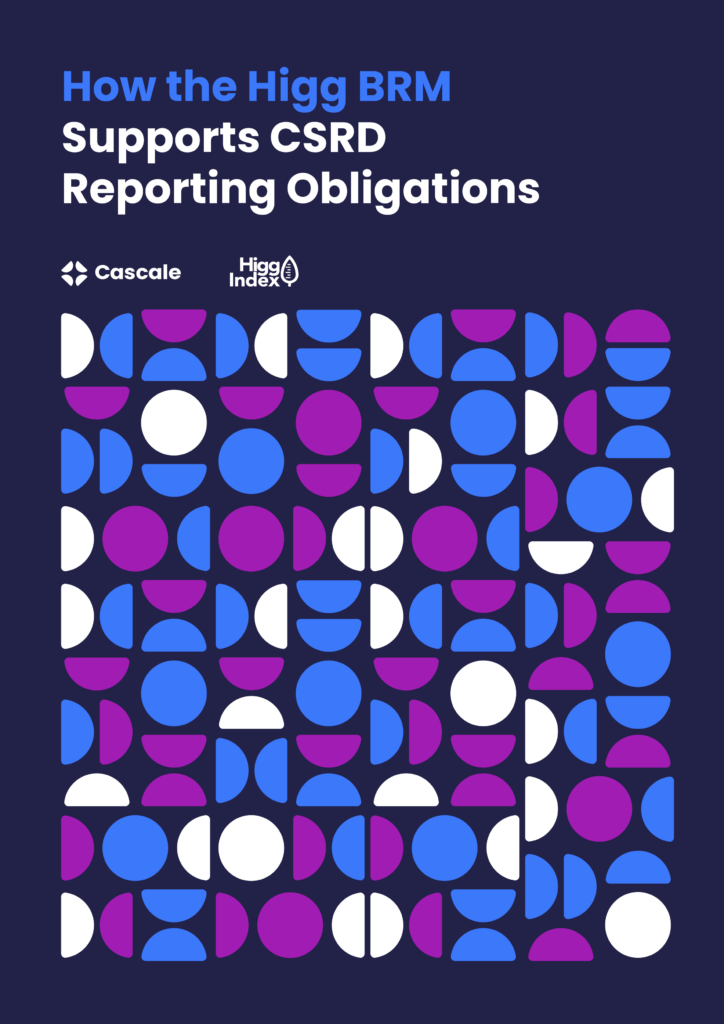
How the Higg BRM Supports CSRD Reporting Obligations

  • Higg BRM
  • Higg Index Tools

In this paper, we articulate exactly how the Higg Brand and Retail Module (Higg BRM) can assist brands and retailers (undertakings) in fulfilling their reporting requirements under the European Union’s (EU) Corporate Sustainability Reporting Directive (CSRD), while also helping to develop consistent corporate sustainability strategies and avoid duplication across sustainability initiatives.

Navy blue cover with semi circle shapes in blue, purple and white. Cover image for the Higg BRM CSRD white paper publication.
August 14, 2024

Please fill out the form to download the publication

Cascale, Worldly Webinar Explores Links Between Higg BRM, CSRD, and CS3D

  • Higg BRM
  • Higg Index Tools
  • Legislation and Policy
June 18, 2024

On June 12, Cascale and Worldly co-hosted “Navigating Legislation & the Higg Index: Higg BRM with CSRD & More,” a webinar where industry experts discussed the importance of legislative frameworks such as the European Corporate Sustainability Reporting Directive (CSRD) and Corporate Sustainability Due Diligence Directive (CS3D) in shaping the future of corporate sustainability reporting and accountability.

The webinar focused on how the Higg Brand and Retail Module (Higg BRM) can support Cascale members and Worldly customers in meeting their reporting obligations under CSRD. This is the second webinar in the Navigating Legislation & the Higg Index webinar series.

Cascale’s Gabriele Ballero, policy and public affairs officer, moderated the webinar. Speakers included Elisabeth von Reitzenstein, senior director, policy and public affairs at Cascale; JR Siegel, vice president, sustainability at Worldly; Maravillas Rodriguez Zarco, senior director, Higg Index strategy and operations at Cascale; and Adrián Branco, senior manager, Higg Index brand and retail at Cascale.

Sustainability specialists, ESG managers, directors, public affairs professionals, sourcing and supplier traceability managers, buyers, consultants, and analysts tuned in live, raising many thoughtful questions about the intersection of the Higg BRM and reporting compliance.

During the webinar, von Reitzenstein explained CSRD, an EU directive aiming to enhance transparency in companies’ sustainability practices by requiring detailed disclosure of environmental and social impacts and related risks and opportunities. She outlined the adoption timeline, discussed the complementary relationship between CSRD and CS3D, and highlighted Branco’s expert contributions to the European Financial Reporting Advisory Group (EFRAG) to support the development of textile-specific European Sustainability Reporting Standards (ESRS).

Siegel emphasized the importance of leveraging primary data for measurable impact, including emissions, energy consumption, water, waste, chemistry, and working conditions — all of which are included in CSRD. He emphasized that these topics align with CSRD requirements, which will serve as the roadmap for corporate sustainability teams over the next decade. Essential tools for supporting compliance include the Higg BRM, the Higg Facility Environmental Module (Higg FEM) for annual environmental data, and the recently launched Facility Data Manager (FDM). Worldly’s FDM tool enables monthly tracking of GHG emissions, waste, and water data from supply chain partners.

Rodriguez Zarco and Branco unpacked the potential of the Higg BRM, providing insights on how the tool can support Cascale members and Higg Index users in their reporting obligations under CSRD. They structured their technical discussion following the European Sustainability Reporting Standards (ESRS), reviewing the most relevant topics and explaining how the Higg BRM is useful in each specific context. Topics included double materiality; entity-specific disclosures; governance; impact, risks, and opportunities; minimum disclosure requirements; topical standards; and more.

In exploring ESRS 1 and 2, they highlighted how the Higg BRM enhances sustainability reporting and compliance practices. The Higg BRM serves as a vital tool, supporting efforts that are compliant, impactful, measurable, and continuously improving. The tool aligns closely with the ESRS, covering more than 65 percent of its disclosure requirements.

Branco stressed that these pieces of legislation prioritize governance in a company’s sustainability reporting, underscoring that this shift towards holistic integration is crucial for building trust with stakeholders who are increasingly focused on a company’s commitment to ESG goals.

Outlining the next steps for the tool, Rodriguez Zarco said Cascale will publish a white paper on the Higg BRM, delving into how the tool supports companies in their reporting obligations under CSRD and including a detailed mapping between ESRS and the Higg BRM content. Additionally, Cascale plans to update the Higg BRM to improve its alignment with ESRS, set for release in 2025. This update will maintain the comparability of the questionnaire and scoring with previous versions to allow for tracking progress.

Working in close partnership over the years, Cascale and Worldly continue to align on the Higg Index suite of tools and resources that members and users need to address compliance. The co-hosted Navigating Legislation & the Higg Index webinar series is one of many resources with a timely and educational value proposition. It aims to guide over 24,000 Higg Index users through their compliance journeys with current and upcoming EU and national legislation by leveraging the Higg Index suite of tools.

To receive updates on upcoming webinars in the series and other Cascale news, subscribe to our newsletter.

Cascale Joins Fashion Professionals at the 2024 Sustainable Fashion Forum

  • Earth Month
  • Higg Index Tools
fashion sketch
May 02, 2024

The Sustainable Fashion Forum 2024 took place April 17 to 19 in Austin, Texas, convening a number of sustainable fashion professionals.

Topics spanned everything from labor rights to regulatory changes. The event began with workshops on policy and circularity, including an immersive upcycling activity featuring Cascale members Everlane and Eastman, as well as two full days of programming. Networking opportunities were plentiful, hosted at venues throughout the city.

Cascale’s editorial director Kaley Roshitsh and Melissa Ortuño de León, senior manager, Higg Product Tools, both participated in the event and moderated conversations.

In one conversation, “Achieving Profitability as a Small Brand,” Jan Lo,  co-founder and chief executive officer at Lo&Sons spoke of the trade-offs of owning a small business. He detailed the aims of his growing business which includes strategic decision-making across his value chain, be it recycled materials or flat-packing products.

The co-founder also treated the audience to samples of Lo&Sons’ “Catalina Deluxe” tote made of recycled polyester, with utility uniquely inspired by his former New York City DJ career.

Lo is also on the board of Yale University’s Center for Business and the Environment, offering support to entrepreneurs. His advice to early-career professionals is to be willing to pursue the “not-so-glamorous job title,” often found in supply chain or operations roles.

In another panel conversation titled “Who’s at the Table: Embracing Global Voices in Fashion’s Circular Future,” experts Charles Oyamo, co-founder and CEO, Rethread Africa; Yayra Agbofah, founder at The Revival and consultancy AfroDistrict; and Sandra Gonza, senior sustainability strategist, Quantis International; traced the arc of circularity.

The panelists discussed the urgency to fundamentally transform the existing fashion system and embrace circularity while calling for major funding inroads to support their work. A former clothing market trader in Ghana’s Kantamanto Market, Agbofah shared how his community-led initiative The Revival is turning consumer textile waste exported into West Africa – into art. Meanwhile, Oyamo spoke of the reality of scaling his agrowaste fiber. Throughout the conversation, Gonza offered her strategic perspective including how she is working with brands to develop transformational sustainability programs.

In another panel conversation, Sanchita Saxena, senior advisor of supply chain at Article One, and Sheela Ahluwalia, director of policy and advocacy at Transparentem, spoke of the audit-dodging practices that persist in the apparel and textile industry.

“Many suppliers are saying, ‘I don’t think it’s ever possible there’s a true partnerships… We have to think of beyond just doing the minimum,” said Saxena, calling for the reframing of “rightsholders over stakeholders.”

In a separate policy presentation, Michelle Gabriel, graduate program director of sustainable fashion at Glasgow Caledonian College New York City said being a consumer is a “disempowered identity,” arguing for a citizen-first approach. She championed regulatory changes adding, “Businesses today face a competitive disadvantage for engaging in sustainability.”