Cascale Celebrates 35th Annual ARTS Awards Ceremony

Cascale Celebrates 35th Annual ARTS Awards Ceremony

  • Higg FEM
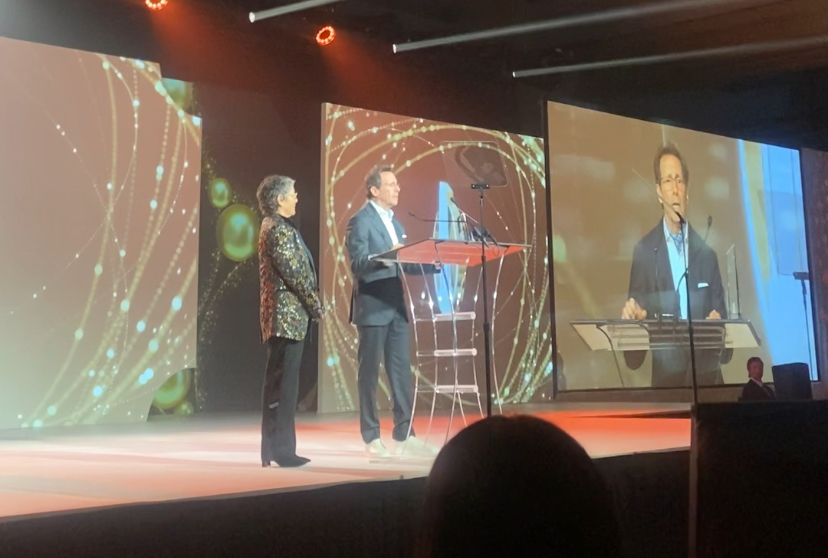
Andy Singer, accepting a Lifetime Achievement award at the 35th Annual Arts Awards in Dallas, Texas. Cascale was a sponsor for the event.
January 16, 2025

The event was held at the Hilton Anatole Hotel in Dallas, Texas as a finale to the January Dallas Total Home & Gift Market, held Jan. 8 through 11.

For the 35th Annual ARTS Awards ceremony and gala, Cascale attended and sponsored a cocktail reception.

Given the Higg FEM supports soft furnishings – with a number of Cascale members already employing the tool for such uses – the sponsorship was a natural progression. The event was held at the Hilton Anatole Hotel in Dallas, Texas as a finale to the January Dallas Total Home & Gift Market. Despite the severe, ongoing wildfires in Los Angeles and recent snowfall in Northern Texas, the turnout was strong. Honorees spanned the US with an array of featured award categories from lighting to home accent stores to outstanding sales professionals.

Special recognitions went to industry veterans. This included Lifetime Achievement award winner Andy Singer, founder and chief executive officer of Houston-based lighting manufacturer Visual Comfort; and Trailblazer award winner Lois del Negro, co-founder of Global Views.

Recounting her career in home furnishings, del Negro built her foundations from being the first woman to become a furniture buyer at Macy’s. In her acceptance speech, she proved her worth: “Especially the woman in HR at Macy’s who told me, ‘We will never make a woman a furniture buyer.’ I proved her wrong.”

Industry professionals will gear up for the next furniture-focused events including High Point Market happening April 26 to 30, 2025 and the ART Conference 2025 in Miami slated for May 21 to 23.

Other awards in the mix included the HEARTS Award which went to The H Foundation for its cancer-awareness fundraising efforts.

Interior designers and well-known personalities also made their appearance as presenters for the event. This included Thom Filicia, who is a member and ambassador of the Sustainable Furnishings Council (SFC), and Carson Kressley, who may be recognized from TV shows such as Queer Eye and RuPaul’s Drag Race All Stars.

Another notable honor included the Green Award which went to the wall decor manufacturer Phillips Collection based in High Point, N.C. “Every piece is a conversation, and we are dedicated to supporting sustainable ideals and practices,” said the president and CEO Mark Phillips in his acceptance speech. Appropriately, Sustainable Furnishings Council was a judge for the award, assisting during the extensive vetting process which will be due in November for the upcoming year.

As it turns out, the furniture world isn’t so far from the fashion world. Attendees were elegantly dressed – with the Texas flair including everything from lavish furs and sequins to bolo ties. One anecdote summarized this adjacency. In his final remarks, New Yorker-turned-Texan Visual Comfort’s Andy Singer said he got the idea for his business’s name from a fashion publication.


Diving Into the Monthly Data Reporting & the Facility Data Manager: A Collaborative Discussion

  • Higg Index Tools
  • Manufacturing
  • Membership
December 11, 2024

At Cascale, we’re always looking for new ways to connect with the manufacturing community and tackle shared challenges, this is a crucial part of our value proposition to the industry.

That’s why I’m excited to announce an upcoming, facilitated discussion focused on monthly data reporting and the Facility Data Manager (FDM) — a chance to dig into its potential, address concerns, and explore what it means for the industry.

This isn’t your typical meeting. It’s a trial run of a new way to engage members in meaningful, focused conversations. Monthly data reporting is a hot topic right now, as some believe it is necessary for greater transparency, tracking impact reductions, and upcoming regulatory requirements. But we also know there are questions about relevance and effectiveness. Clearly there are different perspectives to consider, and this is our opportunity to talk it through together.

Why the Spotlight on Monthly Data Reporting?

The Facility Data Manager, rolled out by Worldly, supports monthly data reporting for greater visibility into facility operations. It has also sparked conversations about what this would mean for facilities in a practical sense. Here’s what we’ll dive into during the session:

  • Why are brands increasingly asking for monthly data reporting?
  • Can monthly data collection drive real impact reduction at the facility level? If so, how?
  • Do disclosure regulations actually require this level of reporting frequency?
  • What’s the role of the FDM in the Higg Index suite, and how does it align with Cascale’s goals?

A New Way to Engage Manufacturers

This session is an experiment—a way to test how we can better connect with members, both manufacturers and brands, and put their needs and perspectives at the center of the conversation. If you think back to Cascale’s origins, convening these kinds of discussions has always been part of our DNA. Manufacturers are critical to achieving sustainability goals, but adapting to evolving tools and regulations isn’t always straightforward. By creating this space, we hope to uncover what works, what doesn’t, and where we can improve.

Back in the early SAC days, we brought in outstanding facilitators who helped set the tone for some of our most impactful work. I’d like to channel that energy and facilitation into this discussion and see where it takes us.

What to Expect

To ensure a productive conversation, we’ll bring in an independent moderator to guide the session, ensuring balanced representation and an open, fair dialogue. The goal? Honest, participative discussions that surface real insights and perspectives.

This discussion is a trial. If it works, fantastic—we’ll explore how to build on it. If not, we’ll learn and try something else. Either way, it’s a valuable chance to address key questions about the FDM and its role in driving collective impact.

I’m looking forward to seeing where this takes us. Stay tuned for details—we’re aiming to host the discussion in January 2025. Let’s make it count.

Level 1 Verification Is Great, What About Full Higg FEM Verification?

  • Higg FEM
  • Verification

Everything members need to know about the Higg FEM verification changes, use cases, and evolution of the tool.

Higg FEM enables sustainability for SMEs, manufacturers, brands, retailers. Recent acknowledgement in the EFRAG SME report.
Headshot of Dhawall Mane
Dhawall Mane
December 02, 2024

Everything members need to know about the Higg FEM verification changes, use cases, and evolution of the tool.

Following the publication of this blog, Cascale released a position paper on Level 2 and Level 3 verifications in September 2025. Learn more and view the paper here.

Verification Changes with Higg FEM 4.0 Update

With the Higg FEM 4.0 update, Cascale made changes to its verification approach. In short, this started with narrowing the scope of verification to a Core set of questions in CY2024 (Higg FEM 2023), slightly expanding the verification scope to all Level 1 questions in CY2025 (Higg FEM 2024), and committing to develop a fit for purpose approach to verify Level 2 and Level 3 questions.

What is the evolution of Higg FEM use cases?

The latest verification update evolved with members in mind. With deployment of Higg FEM 3.0 in the Cascale member supply chains, tool adoption scaled exponentially at the rate of 60 percent CAGR between CY2019 and CY2023. Through member interactions and monitoring adoption patterns, Cascale observed that the Higg FEM has evolved to serve three distinct use cases, described in Exhibit A below.

Exhibit A: Evolution of Higg FEM use cases

Exhibit A: Evolution of Higg FEM use cases


Evolution of Higg FEM Use Cases:

1) Code of Conduct / Foundational performance of a factory (permits, discharges, and management systems, among other factors)

2) Impact Metrics (quantities of resources consumed: energy, water, and environmental impact created: GHG, waste, wastewater, and air emissions)

3) Performance Management: targets, baselines, improvements, Progressive and Aspirational indicators in Level 2, Level 3 of Higg FEM.

During its Annual Meeting in Munich, Germany held in September 2024, Cascale presented these use cases at the Session titled: “Higg FEM and Verification Evolution.” The full session recap can be found here. Cascale received validating feedback on these use cases from the member community.

Image: Cascale member cut and sew factory during Higg FEM verificationImage credit: Dhawall Mane

Image: Cascale member cut and sew factory during Higg FEM verification Image credit: Dhawall Mane


Why is a different approach needed to verify Level 2, Level 3 questions?

With such varied use cases, verification approaches and methods needed to evolve accordingly. Note that the current verification approach for environmental assessment such as Higg FEM is primarily inspired from the social audits approach, which is fit for Use Case 1) mentioned above.

The intent of questions in Levels 2 and 3 of Higg FEM is geared towards evaluating the progressive and aspirational practices of a factory. The scoring weightage for Level 2 questions is 50 percent, while Level 3 questions is 25 percent, indicating that a significant proportion of the scoring weightage (75 percent) is pinned on questions in Level 2 and Level 3. Cascale believes that adopting a coaching-based approach, wherein verification is viewed as an engagement rather than an event, is necessary to bring transformational change for the factories engaging with the verification process. One example of this is whether a facility has a coal phase out plan (Section: Energy & GHG, Question: 17, Level 2); Cascale envisions a verification approach wherein the verifier can support the factory to identify and unlock barriers towards phasing out coal from their operations, rather than merely identifying whether the factory’s response is accurate or inaccurate

Cascale has resourced a three phase project on Verification Scope Expansion starting in the second quarter this year to support this industry need. The first phase is aimed at publishing a whitepaper which outlines the verification methods and implementation criteria for such an expanded verification service. This whitepaper will also set the base for a pilot which will be conducted by Cascale to test such an approach in the real world before releasing it at scale. This whitepaper, aimed to be released in the first quarter of 2025, shall be built in consultation with Cascale members. Members curious about the consultation process can tune into the town hall in December on governance, tools, and membership via Cascale Connect.

What is next for Higg FEM verification? 

As for what’s next, please stay tuned for more information detailing the ongoing evolution of the verification program. Cascale will be sharing key updates on our website as well as Cascale Connect.

Cascale, SLCP, and Worldly Co-Host Webinar on Higg FSLM to Support Social Compliance

  • Higg BRM
  • Policy and Legislation
Two people in a factory, wearing helmets. Machinery is visible in the background.
November 21, 2024

On November 6, Cascale, the Social & Labor Convergence Program (SLCP), and Worldly, the leading sustainability data insights platform, co-hosted the latest webinar in the Navigating Legislation & the Higg Index series, titled “Higg FSLM in Supporting Social Compliance.”

The webinar brought together industry experts to explore the evolving regulatory landscape and how Cascale’s Higg Facility Social Labor Module (Higg FSLM) based on the SLCP’s Converged Assessment Framework (CAF) can help companies navigate social compliance obligations.

This webinar, the third in the series, focused on the intersection of social compliance and legislative frameworks that impact supply chain management. Gabriele Ballero, public affairs manager at Cascale, moderated the session, which featured insights from Elisabeth von Reitzenstein, senior director of public affairs at Cascale; Orine Dsouza, senior manager, Higg Facility Tools at Cascale; Tom Mason, senior policy & stakeholder engagement manager at SLCP; and Vic Lau, customer success manager at Worldly.

The session attracted a diverse audience of sustainability specialists, ESG managers, compliance officers, and other professionals eager to understand how the Higg FSLM (based on  SLCP’s CAF)  aligns with emerging global regulations. Attendees engaged in a discussion on how the Higg FSLM  can support compliance with regulations designed to improve human rights and forced labor standards in global supply chains.

Key Insights from the Webinar:

During the webinar, von Reitzenstein provided an overview of the rapidly evolving EU and U.S. regulations, such as the EU CS3D, the German Supply Chain Act, and the U.S. Uyghur Forced Labor Prevention Act. She highlighted the growing importance of Human Rights Due Diligence (HRDD) and how these regulations are shaping the future of supply chain transparency and accountability.

Dsouza outlined the Higg FSLM, which is based on SLCP’s CAF. The tool offers a standardized, data-driven approach to assessing social and labor compliance in manufacturing facilities. Dsouza explained that the tool helps manufacturers reduce audit fatigue, easily compare data, and allocate resources more effectively for continuous improvement.

Mason discussed how SLCP is mapping the CAF against evolving legislation and emphasized the importance of aligning social compliance tools with regulatory requirements. Mason also highlighted SLCP’s HRDD Toolkit, which supports companies in understanding how the CAF can help them to meet compliance obligations, and previewed updates to the CAF slated for Q1 2025 to enhance policy alignment.

Lau demonstrated how Worldly’s platform hosts Cascale’s Higg Index suite of tools, including the Higg FSLM, and how they have made assessment results more user-friendly. Lau explained how the platform’s summaries and scoring features enable companies to track their progress year over year to support users in improving social and labor conditions and reducing audit fatigue for supply chain facilities.

Also, during the webinar, von Reitzenstein announced a strengthened partnership between Cascale and SLCP. Together, they have developed a joint public affairs vision statement to align efforts in policy and advocacy. This collaboration ensures that tools like SLCP’s CAF and Higg FSLM are effectively integrated into social policy frameworks, driving global improvements in labor standards and ethical practices within the industry.

The Higg FSLM, supported by the strategic collaboration between Cascale, SLCP, and Worldly, will continue to evolve to meet the needs of companies navigating regulatory requirements. Cascale’s Navigating Legislation & the Higg Index webinar series will continue into 2025, offering more in-depth discussions on how the Higg Index tools can support compliance with new and emerging legislation.

To stay informed about upcoming webinars and the latest updates from Cascale, be sure to subscribe to our newsletter.

Why Higg FSLM, SLCP’s CAF Are Transforming Social Policy Frameworks

  • Higg FSLM
  • Higg Index Tools
  • Partnership and Collaboration

As regulation evolves, so does SLCP and Cascale’s commitment to decent work using the Higg FSLM and CAF.

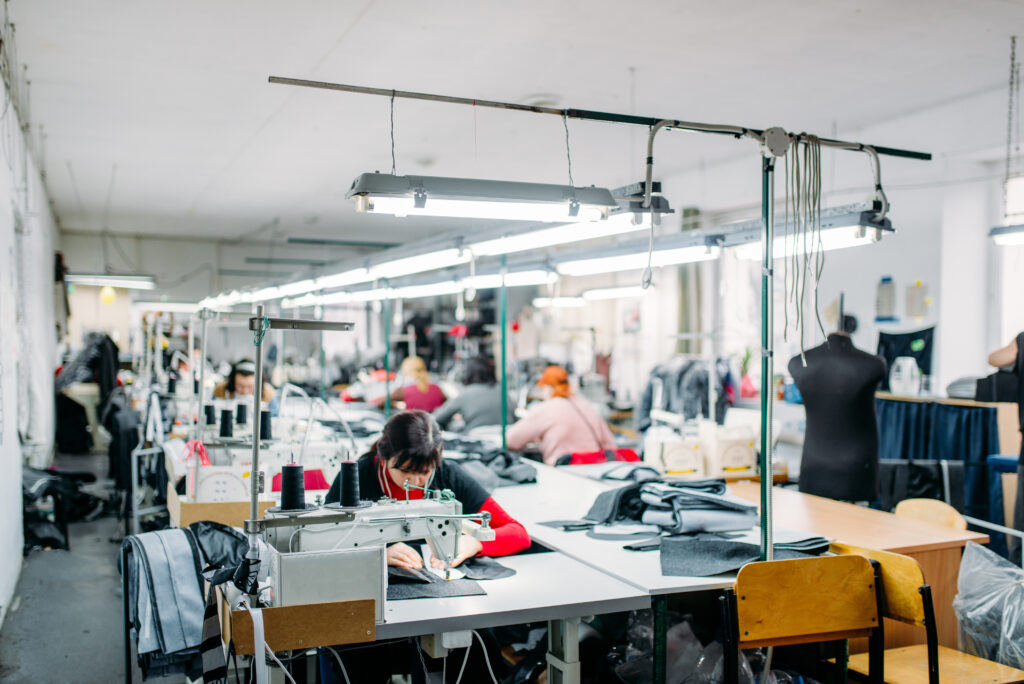
Woman working at a sewing machine in a factory
November 15, 2024

For the Social & Labor Convergence Program (SLCP) and Cascale, delivering on decent work means doing the work.

Today, that motivation necessitated creating a shared vision for policy.

“Regulatory efforts often run the risk of not taking sufficient account of the actual impact on the stakeholders concerned. In the case of our industry, we are seeing a huge disconnect between knowledge and needs for manufacturers, and thus workers are left in the fray,” shared Elisabeth von Reitzenstein, Senior Director of policy and public affairs at Cascale. “Especially in the area of human rights due diligence, policymakers are increasingly looking to our organizations, and those like Policy Hub, to help identify leading industry tools – such as SLCP’s Convergence Assessment Framework (CAF) and the Higg FSLM – into supporting policy implementation. By driving acceptance and advocating for the integration of such tools and data  insights into broader regulatory frameworks, we are paving the way for a shared vision of social responsibility.”

Ever since global textile, apparel, and footwear industries began off-shoring production and out-sourcing labor in the late 1970s, the quest for fair wages, decent working conditions, and equitable treatment for millions of workers (the majority of whom are women) became increasingly fragmented and complex. Add to that transformation the recent push for legislation, and there is a sizable challenge ahead.

In this fight for social and labor rights, collaboration between industry players, policymakers, and other stakeholders to align on social responsibility standards has never been more important. It’s why SLCP and Cascale have strengthened ties.

“Through our joint work with Cascale, we are helping global supply chain actors prioritize social compliance and labor standards so that they are continuously adapting to new frameworks and legal requirements,” said Tom Mason, Senior policy and stakeholder engagement Manager at SLCP. “Our combined efforts are aimed towards keeping suppliers involved in the evolving policy discussions that impact them. Together with Cascale, we combine legislative analysis, gap analysis, expert feedback, and continuous updates to ensure SLCP assessments seamlessly adapt to evolving regulations, creating a more actionable approach to human rights due diligence.”

In February, SLCP and Cascale deepened their strategic collaboration to better align the tools and strategies for improved global working conditions. In their recent shared vision statement on public affairs, SLCP and Cascale outlined a collaborative strategy to enhance policy engagement and advocate for improved working conditions in the global textile, apparel, footwear, and consumer goods industries. Key initiatives include regular strategic touchpoints to align tools, regulations, and messaging, as well as educating SLCP signatories and Cascale members on social policy developments. This can include cross-participation in various webinars, meetings, or roundtable discussions. Overall, the collaboration aims to amplify co-developed positions, promote joint events and engagements, and advocate for the adoption of CAF–Higg FSLM data in social policy frameworks.

The framework is already making a difference for data collection efforts and a positive impact in reshaping power imbalances. More than 13,000 facilities across 50 countries adopted the CAF, unlocking an estimated $26 million annually in savings by reducing duplicative audits and alleviating excess burden on manufacturers. In 2023, over 9,000 facilities reported legal non-compliance data to CAF, with 94 percent of assessments identifying at least one non-compliance. The most common issues related to health and safety, working hours, and wages and benefits. While the data showed year-on-year improvement, smaller facilities faced higher instances of non-compliance due to resource constraints.

Outlining their support for greater policy alignment, one CAF–Higg FSLM user shared how the framework has paid off for their business.

Reflecting on the task ahead, Cascale’s von Reitzenstein summarized, “Everyone has a role in ensuring policy evolves with decent work as a priority. Through this strengthened collaboration with SLCP, we are standing by our commitment to mutual learning, tools empowerment, and an equal share of voice in this endeavor.”

Read the full joint public affairs vision statement now

Cascale’s Environmental Tool Undergoes Annual Update to Improve Sustainability Reporting for Manufacturing Facilities

  • Higg FEM
  • Higg Index Tools
yarn spinning
November 07, 2024

Global consumer goods nonprofit releases annual update of Higg Facility Environmental Module (Higg FEM)

Amsterdam, Hong Kong, Oakland (CA) – November 7, 2024: Today, in partnership with Worldly, Cascale launched the latest version of its Higg Facility Environmental Module (Higg FEM) to provide more precise and verified environmental data on the consumer goods manufacturing supply chain, as well as reduce reporting duplication for manufacturers, saving businesses valuable time and resources.

For over a decade, the Higg FEM tool has been a critical sustainability assessment for the consumer goods industry, allowing users to drive continuous improvement on environmental management practices, support legislative compliance and risk management practices, and collect impact data to track progress against reduction targets. Today, it is used by over 20,000 companies worldwide. Higg FEM is part of the Higg Index, which is developed and owned by global nonprofit alliance Cascale and exclusively available on Worldly, the industry’s leading sustainability data insights platform.

“The updates to Higg FEM 2024 are a direct response to the needs of our members and Higg Index community,” said Colin Browne, Cascale CEO. “Higg FEM 2024 embodies our unwavering dedication to providing the most credible, impactful data. By incorporating valuable insights from members and stakeholders, we’ve ensured that this latest version continues to set the standard for environmental assessments to drive meaningful change across the industry.”

Higg FEM 2024 now integrates Worldly’s Facility Data Manager (FDM). With FDM,  facilities can track and share quantitative environmental metrics on a monthly basis and import that data into the Higg FEM on Worldly’s platform. This streamlines data collection for facilities and saves time in completing the annual Higg FEM assessment.

“At Worldly, we view Higg FEM 2024 as a pivotal advancement in measuring and driving environmental impact, enabling our customers to act faster with greater precision and high-quality primary data,” said Scott Raskin, CEO of Worldly. “The integration of Higg FEM with our Facility Data Manager provides manufacturers a distinct advantage by reducing friction in data capture throughout the year and seamlessly connecting with Higg FEM to minimize duplication of effort—a key goal. We are proud of our partnership with Cascale as we support both brands and manufacturers through streamlined data capture processes and actionable insights, driving progress toward sustainability goals and regulatory compliance.”

The Higg FEM 2024 update also expands the scope of verification to include waste impact metrics, in addition to the existing metrics on energy, GHG, water, wastewater and air emissions. Expanding the verification approach ensures that the data provided remains relevant and impactful.

This update reflects a collaborative effort, where Cascale engaged with over 85 leading brand and manufacturer members across 17 consultation sessions in 2024.  With Higg FEM 2024, Cascale and Worldly underscore their commitment to innovation and continuous improvement with the Higg Index suite of tools, which are updated annually. To help Cascale members and Higg FEM users better understand the latest update and changes, Cascale and Worldly will co-host a Higg FEM 2024 Launch Webinar on November 14.


ABOUT CASCALE

Cascale is the global nonprofit alliance empowering collaboration to drive equitable and restorative business practices in the consumer goods industry. Formerly known as the Sustainable Apparel Coalition, Cascale owns and develops the Higg Index, which is exclusively available on Worldly, the leading sustainability data insights platform. Cascale unites over 300 retailers, brands, manufacturers, governments, academics, and NGO/nonprofit affiliates around the globe through one singular vision: To catalyze impact at scale and give back more than we take to the planet and its people.

LinkedIn | X | Instagram | Facebook | YouTube

ABOUT WORLDLY

Worldly is the planet’s most comprehensive impact intelligence platform, trusted by 40,000+ major brands, retailers, and manufacturers in fashion, outdoor, home goods, toys, and more. Worldly uniquely collects high-resolution primary data specific to companies’ value chains, operations, and products, providing insight into true impacts across carbon, water, chemistry, and labor. Featuring the most comprehensive source of ESG data for global manufacturers and the largest library of materials and product impacts, Worldly empowers businesses to scale responsibility into their global operations, faster and more accurately. Hosting, connecting with, and supporting the leading industry solutions and methodologies including ZDHC, Bluesign, and the Higg Index – the most widely-adopted measure of sustainability in the apparel industry – Worldly delivers the insights businesses need to reduce their impact, comply with emerging regulatory and financial disclosure requirements, and meet the expectations of a new generation of customers.  www.worldly.io

How 13 Cotton Programs, Cascale Collaborated on New Higg MSI Cotton Data Methodology

  • Higg Index Tools
  • Higg MSI

Cascale and 13 cotton programs came together to redefine cotton’s sustainability practices theory of change, developing an LCA methodology and pilot framework.

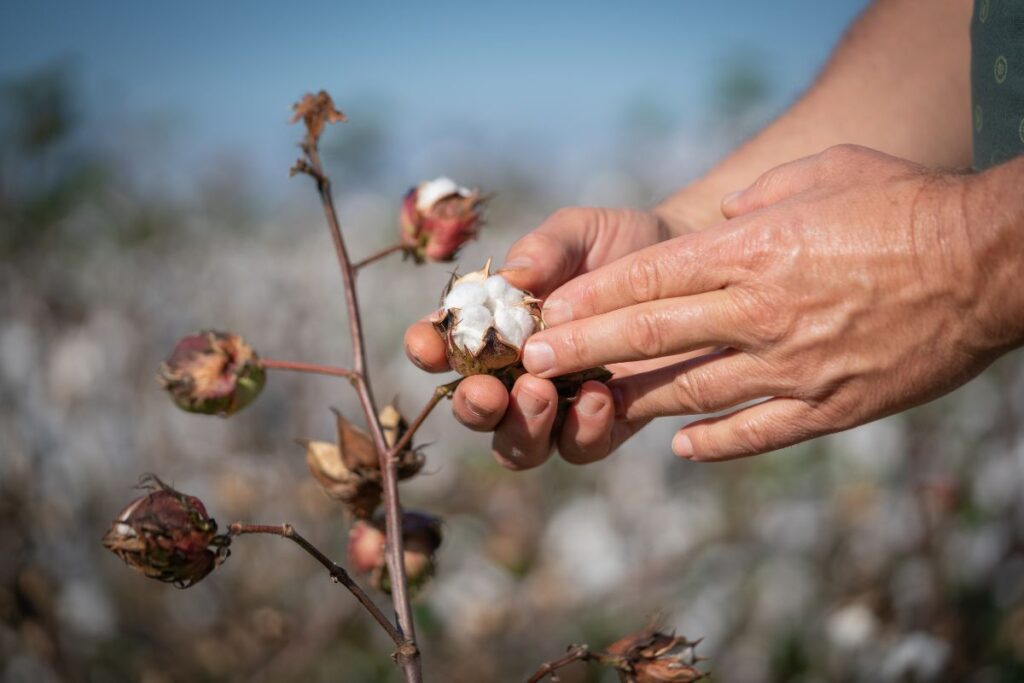
Photograph of a farmers hands showing a cotton bud
Black and white headshot of Kaley Roshitsh
Kaley Roshitsh
October 24, 2024

Cascale just gave its Higg MSI cotton methodology a major update, with the help of an expert team.

Why? Cotton is getting a lot of attention – and rightly so. It is a global industry with areas varying vastly in growing conditions and susceptibility to climate change-induced risks like droughts or heavy rains. Countries from Argentina, Pakistan, Brazil, Turkey, Spain, China, India, Bangladesh, Australia, the U.S., to Tanzania produce cotton. It is the second most-used fiber at 24.4 million tonnes in 2023, representing 20 percent of global fiber production, per Textile Exchange’s Materials Market Report for 2024. In line with growing sustainability ambitions, 29 percent of all cotton produced is under a certification program today.

Though nascent, the apparel industry’s ability to trace cotton through the supply chain is expanding, as are its data ambitions. Cascale’s membership is growing too, with expertise and relationships in the cotton industry a necessary resource for improvements to cotton data, for one.

To answer the call, Cascale convened the “Higg MSI Methodology Cotton Expert Team” to help collaboratively address cotton data gaps. Some 13 cotton programs and industry stakeholders participated, among them: Better Cotton, CottonConnect, Cotton Council International, Cotton Incorporated, Cotton Research and Development Corporation, National Cotton Council of America, Organic Cotton Accelerator, Textile Exchange, U.S. Cotton Trust Protocol, and WWF.

The Higg MSI Methodology Cotton Expert Team started off meeting monthly. Their combined goal was to make cotton data more representative, addressing many of the nuances. The solutions became clear. They needed to provide more primary data for the Higg MSI to better capture data and indicators within the tier 4 agricultural space.

Members agreed. “Measuring the environmental impact of sustainable cotton production in a meaningful and consistent way is important to enable textile manufacturers, and ultimately consumers, make sustainable choices. That’s why as part of Cascale’s MSI Methodology Cotton Expert Team, CottonConnect contributed to the development of a Higg MSI cotton-specific LCA methodology to enable a standardized, industry-wide method,” said Prakash Philip, global director, strategy and impact at CottonConnect, in a statement.

Over the course of three years, the group worked together to build a blueprint for cotton data. This included defining LCA Data Source requirements (or the template for data collection efforts), defining modeling approaches (including primary and secondary datasets, as well as any assumptions), and data use best practices (to inform design, sourcing and sustainability decisions, and track field practice improvements over time), as well as addressing data gaps or considerations outside LCA data to complement the Higg MSI LCA data.

For many of the cotton programs, the work was a natural progression. One Cascale member Organic Cotton Accelerator already had been conducting annual data collection efforts with over 100 farm-level indicators.

Their challenge was, however, in capturing the unique characteristics and sustainability benefits of organic cotton, especially as it exists for smallholder farms making up the majority of OCA’s network in India, Pakistan, and Turkey. “OCA played a supporting role in ensuring that the methodology accurately represented the organic cotton farming and system in which we, particularly for smallholder farmers,” described Ruud Schute, program director, Organic Cotton Accelerator, to Cascale. “We provided robust primary data from our farmer network, contributing specific insights into the use of organic fertilizers and crop protection products, which differ significantly from conventional farming methods. In addition, we highlighted the importance of differentiating between mechanized and non-mechanized farming, a key distinction given that most OCA farmers rely on non-mechanized processes. OCA was involved in brainstorming on the allocation method, ensuring that the methodology accurately reflects the realities of smallholder organic cotton production.”

He said the methodology work was a “deeply collaborative effort” both internally and externally. “Within the Cascale working group, there was an active exchange of ideas between all participating cotton programs. This group met regularly to discuss data requirements and refine the methodology. The shared insights and collective expertise from various stakeholders made the process dynamic and ensured that the methodology would be robust and applicable across diverse cotton farming systems,” he said. “We continue to be impressed by the organization , insight, and perseverance of the Cascale team.”

Better Cotton, which represents over 20 percent of the cotton fiber market, also collaborated in the methodology. “There was a great demand for this type of data, yet a lot of uncertainty and variability on how modeling was done,” told Better Cotton’s, head of MEL, Miguel Gomez-Escolar Viejo. “Having that consensus between the main cotton programs was really important to ensure that the tools were inclusive of the differences between farmers across the globe.”

The organization helped steer input for the communications and claims section, alongside joint discussions around data collection, modeling, and data use.

Both Schute and Gomez-Escolar Viejo described the untold long-term benefits of the methodology in measuring greenhouse gas emissions for cotton farms. Gomez-Escolar Viejo reiterated, “There are many benefits to aligning on a methodology. First of all, we can continue discussions around learnings and future developments without every organization going in different directions. Secondly, currently, a lot of time and resources are put into LCAs with many variations on modeling and assumptions on their own. By having a common approach, there are many potential savings that can be reinvested in improving the program rather than repeating LCA calculations. For Better Cotton, we aim to frequently publish updates on these calculations and also to keep adding more countries.”

As part of the Higg Index’s Product Tools, the Higg MSI looks to impart better materials decision-making for sustainability practitioners. The Higg MSI will leverage expertise across the industry to inform its data. As shown in this methodology, Cascale’s collaboration with the cotton programs and industry stakeholders has redefined cotton’s sustainability practices Theory of Change, including the LCA methodology, new cotton data sets, and pilot framework. While the data from these programs is not immediately included in the upcoming v3.9 MSI update, it will be included in future Higg MSI updates.

Cascale’s Joel Mertens, director of HIgg Product Tools, shared more about the potential for the Higg MSI. “Cotton stakeholders have set the tone for what collaborative fiber futures look like – starting with the right data. With these cotton programs’ collective expertise, primary data insights, and the dedicated assistance from our Higg Index team, we have evolved a joint methodology that prioritizes data accuracy and the ongoing evolution of cotton LCA data. This work is just the beginning.”

The Higg Index team continues to update the Higg MSI bi-annually to reflect ongoing improvements in product and corporate footprints, including newer, better cotton LCA data as it becomes available. Going forward, cotton programs will be able to add data directly to the Higg MSI. Eventually, users will be able to select specific cotton programs and regions. Already, the success of this cotton program MET has inspired new workstreams. This includes a textile wet processing MET, and in the future, other fibers may come forward for a data overhaul.

“This cotton work has inspired new workstreams and ongoing collaboration,” added Melissa Ortuño de León, senior manager, Higg Product Tools. “We continue to hold joint meetings while keeping the dialogue open for future improvements for the Higg MSI, and we look forward to hearing what members need next.”

Cascale’s Higg MSI Unveils New Cotton LCA Methodology

  • Higg Index Tools
  • Higg MSI
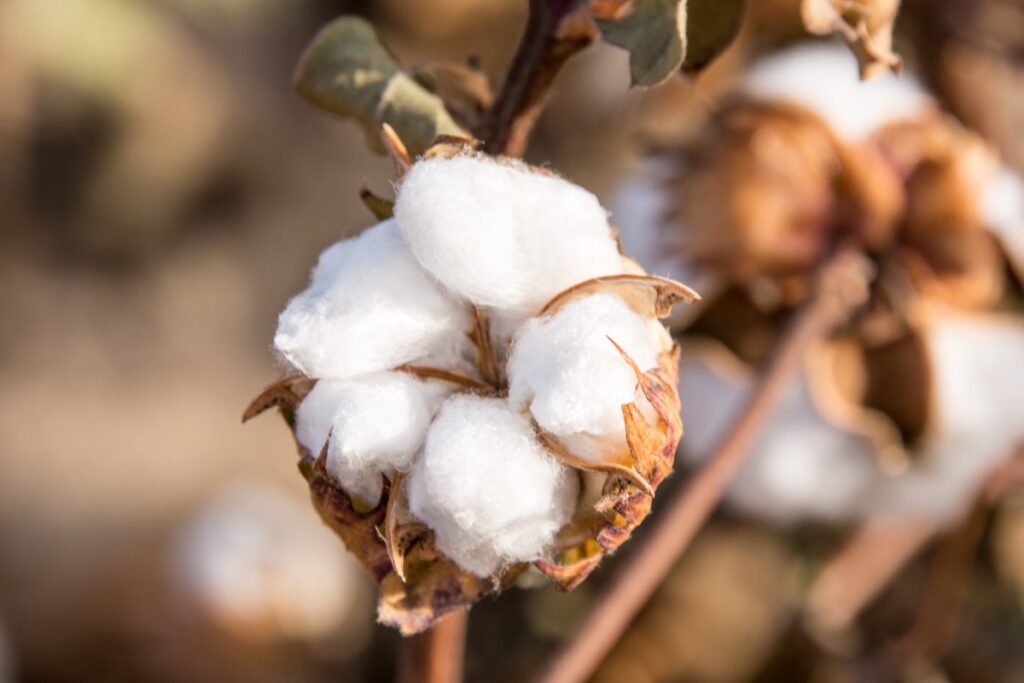
Close-up photo of cotton plant.
October 24, 2024

Developed over three years in collaboration with industry experts and stakeholders, the MSI cotton methodology sets a new bar for more consistent and timely cotton LCA data in the Higg MSI.

Amsterdam, Hong Kong, Oakland (CA) — October 24, 2024: Cascale, formerly the Sustainable Apparel Coalition, has unveiled a new cotton LCA methodology for the Higg Materials Sustainability Index (Higg MSI), offering unprecedented accuracy and consistency in assessing the environmental impacts of cotton fiber. This new methodology provides businesses with reliable data to make informed sourcing and sustainability decisions. Data modeled with this methodology will be released on this and future updates to the Higg MSI, exclusively available on the sustainability data insights platform Worldly, reflecting significant industry-wide collaboration.

The Higg MSI is a cradle-to-gate material assessment tool that calculates environmental impacts from the extraction or production of raw materials, through manufacturing and finishing to the point where the material, trim/component, or packaging is ready to be assembled into a final product. For the past three years, experts and stakeholders convened by Cascale as part of the Higg MSI Methodology Cotton Expert Team collaborated on a cotton-specific methodology and model, providing an industry-aligned method for assessing the environmental impact of the fiber, following LCA principles. This updated cotton methodology not only strengthens sourcing decisions within the cotton sector but also sets a precedent for improving data transparency across other fibers and materials in the Higg MSI.

Standardized data collection and consistent modeling ensure that reliable cotton impact results are available through the Higg MSI. Transparent and usable environmental impact data helps drive further sourcing of preferred cotton through producer programs. In addition, the cotton LCA methodology is designed to accurately demonstrate the impacts of field practice improvements over time, providing Higg MSI users with more steering information and enabling more accurate impact monitoring. Cascale will continue to integrate more accurate and continuously evolving cotton LCA data into future updates of the Higg MSI tool.

“This update is a testament to the power of industry-wide collaboration,” said Joël Mertens, Director of Higg Product Tools at Cascale. “By bringing together diverse stakeholders who work directly with cotton growers we’ve created a methodology that not only improves cotton LCA data, but advances transparency through continuous updates and evolution. This in turn allows for better partnerships and decision-making across supply chains to drive real sustainability outcomes.”

Participants in the Higg MSI Methodology Cotton Expert Team included 13 member organizations representing global cotton programs and industry stakeholders.

“Measuring the environmental impact of sustainable cotton production in a meaningful and consistent way is important to enable textile manufacturers, and ultimately consumers, make sustainable choices”, said Prakash Philip, Global Director, Strategy and Impact at CottonConnect. “That’s why, as part of Cascale’s MSI Methodology Cotton Expert Team, CottonConnect contributed to the development of a Higg MSI cotton-specific LCA methodology to enable a standardized, industry-wide method.”

“This Cascale initiative shows the desire of our peers around the world to ensure if an LCA method is used – such as for hotspot analysis, risk assessment, and demonstrating impact – it uses best available data, and complements the Australian cotton industry’s long record of collaboration and data transparency”, said Cotton Research and Development Corporation (CRDC) Executive Director Allan Williams. “The Australian cotton industry expects this new Cascale Cotton Methodology will give textile and apparel customers greater confidence in Australian cotton and potentially help them identify areas to work with the Australian cotton industry to further reduce their impacts.”

“This extensive collaboration led to a method enabling more accurate and frequent measurement of cotton’s sustainability. This is crucial as we track our improvements over time and meet the growing demand for data and transparency”, said Jesse Daystar, Ph.D., Chief Sustainability Officer at Cotton Incorporated. “We hope initiatives like this inspire efforts to improve the data quality across fiber types, such as polyester, as many existing data sources are becoming outdated and lack geographic representation.”

“There is significant demand for LCA data, but we’ve lacked the standardized approach to fully harness its potential and clarify its correct use”, said Miguel Gomez-Escolar Viejo, Head of MEL at Better Cotton. “This new cotton LCA methodology could be truly transformative: avoiding errors from the past, aligning the industry’s evaluation methods and fostering more meaningful collaboration and future advancements.”

“The Trust Protocol supports this updated cotton LCA methodology and appreciates the opportunity to have been part of the working group from the beginning,” said Daren Abney, Executive Director of the U.S. Cotton Trust Protocol. “The inclusion of more data sources will be a welcome step towards greater accuracy and transparency in understanding the environmental impacts of cotton production. We look forward to the incorporation of the Trust Protocol’s data in the next edition of the Higg MSI, further strengthening the tool’s ability to drive positive change within the industry.”

By harmonizing methodologies and aligning industry practices, Cascale’s Higg MSI update ensures that data related to cotton’s environmental impact is both accurate and transparent, providing a critical step forward to ensure stakeholders across the value chain are equipped to make informed decisions based on credible, standardized information. Cascale remains at the forefront of advancing sustainability by continuously evolving the Higg Index, ensuring that our members have the most accurate, timely, and actionable data to drive progress across the entire value chain. The first LCIA results from a participating program are now available in the Higg MSI. Data from several other programs is currently under review and are on track to be approved and added to the Higg MSI before the end of 2024.


About Cascale 

Cascale is the global nonprofit alliance empowering collaboration to drive equitable and restorative business practices in the consumer goods industry. Formerly known as the Sustainable Apparel Coalition, Cascale owns and develops the Higg Index, which is exclusively available on Worldly, the leading sustainability data insights platform. Cascale unites over 300 retailers, brands, manufacturers, governments, academics, and NGO/nonprofit affiliates around the globe through one singular vision: To catalyze impact at scale and give back more than we take to the planet and its people.

LinkedIn | X | Instagram | Facebook | YouTube

Cascale Participates in “To the Finish Line” Event in Vietnam

  • Higg FEM

Dhawall Mane director, verification, training and insights, participated in a virtual To the Finish Line (TFL) event organized by GIZ in Vietnam.

October 17, 2024

Cascale team member Dhawall Mane director, verification, training and insights, recently participated in a virtual To the Finish Line (TFL) event organized by Deutsche Gesellschaft für Internationale Zusammenarbeit (GIZ) in Vietnam.

TFL is a program designed to support continued environmental performance in Vietnam’s apparel supply chain through the effective use of Cascale’s Higg Facility Environmental Module (Higg FEM) tool, which is exclusively available on Worldly. More than 700 manufacturers were invited to attend the town hall event; most participants were Higg FEM users.

Higg FEM is a transformative tool used to assess the environmental impact of product manufacturing at facilities, including water use, waste management, chemical, and energy use. In doing so, it not only uncovers hotspot areas for improvement, but also reduces redundancy, mitigates risk, and creates a common language to communicate sustainability to stakeholders. Vietnam is currently the second-highest ranked in v-Higg FEM country average score (Higg FEM 2022) and, reflecting Cascale’s own founding and guiding principles, TFL aims for pre-competitive collaboration for collective action.

Through TFL, manufacturers in the region can share knowledge to support environmental sustainability while responding to evolving needs for due diligence and shared responsibility. Participants are also invited to join a Professional Peer Community of Learning for Action on Higg FEM and beyond. Established in 2022 and running continuously since then, the goal of the TFL program is to create an exchange platform of practical knowledge by industry for industry, supporting peer-to-peer learning and problem solving.

The large-scale and practical TFL training program consists of two web-based sessions designed to elevate understanding of aspects of the Higg FEM, including management of energy, water, waste, chemicals, and greenhouse gas emissions. In the “Scaling Collective Action” session to which Cascale’s Mane contributed, regional industry stakeholders discussed practical tips on implementation. These included pooling financial and time resources, as well as what impact the TFL program has had so far and how the industry can adopt similar collective action programs in different sourcing regions.

Mane emphasized the importance of taking a systems approach in tracking data and of entrusting this responsibility to qualified, accountable personnel such as those trained through the program. “TFL is a shining example of Vietnam’s leadership in undertaking supply chain capacity building programs for Higg FEM,” Mane said.

Cascale, Worldly Host Climate Event, Mark Decarbonization Steps

  • Decarbonization
  • Higg Index Tools
  • Leadership
  • NY Climate Week

Aligned organizations Cascale and Worldly held a first-ever joint event during  New York Climate Week. Cascale (formerly the Sustainable Apparel Coalition) is the global nonprofit alliance for the consumer goods industry; Worldly is the exclusive platform for Cascale’s Higg Index and the most comprehensive sustainability data and insights platform.

September 27, 2024

Aligned organizations Cascale and Worldly held a first-ever joint event during  New York Climate Week. Cascale (formerly the Sustainable Apparel Coalition) is the global nonprofit alliance for the consumer goods industry; Worldly is the exclusive platform for Cascale’s Higg Index and the most comprehensive sustainability data and insights platform.

At the co-hosted “Chatting Climate & Consumer Goods” event held in New York City’s Garment District, speakers and attendees delivered deep supply chain decarbonization insights, building on presentations at the Cascale Annual Meeting and Worldly Customer Forum in Munich earlier this month. Attendees included Cascale members PVH, Patagonia, Lululemon, The Children’s Place, as well as guests including LVMH, among others. Hosts and speakers offered expertise on decarbonization, identifying improvements in supplier engagement, and setting science-based targets.

Colin Browne, CEO, Cascale; Scott Raskin, CEO, Worldly; and Tamar Hoek, Cascale Board Chair and senior policy director sustainable fashion, Solidaridad began the event with a call to action. “You only get so far with voluntary actions,” Browne said, outlining how sustainability regulation will change our workforce and become an imperative, while Raskin invited the audience to challenge the discussions adding, “Let’s not have the same conversations.” “If we really want to have a good future for future generations, then we have to save planet earth,” Hoek said, conveying hope but acknowledging the “long road ahead.”

In the first session, Lewis Perkins, president and CEO, Apparel Impact Institute, joined the stage alongside Browne for a conversation on “Scaling Decarbonization.” The executives discussed the collaborative work between Aii and Cascale and how the organizations are aligning on critical solutions and financing strategies. “Going forward, carbon is going to be an important metric.” Browne said of optimized sourcing strategies. “We need to do less to do more.”

Perkins outlined four components of the “Industry Decarbonization Roadmap,” or IDR, as well as Aii’s $250 million-dollar Fashion Climate Fund and interlinked Climate Solutions Portfolio. IDR is a roadmap for companies operating in regions where greenhouse gas emissions are highest to map, identify, and act. He then shared four key components to the IDR, which include a standardized technical methodology, development of a facility carbon benchmark, funding and financing, and engagement and commitment. “I’m not here to push debt on any suppliers,” he said, stressing that  the “holy grail” for brands and retailers should be long-term partnership agreements. Perkins mentioned The Future Supplier Initiative, which aims to reduce the financial burden for suppliers by working in unity with fashion brands to lower costs.

Next, in a special pre-recorded session, “Manufacturer Message: Live from Jakarta,” Sunil Shewakramani, CEO Busana Apparel Group, and Andrew Martin, executive vice president of Cascale, discussed the synergy between brands and suppliers and the moral imperative to do right by people and planet. Shewakramani said doing good is a “competitive advantage” in terms of how the 49-year-old business looks at green investments. Busana Apparel Group ranks among the largest garment manufacturers and exporters globally, with 24 global facilities and a number of Leed Certifications from the Green Building Council. Martin emphasized Cascale’s intent to elevate manufacturers’ voices, to which Shewakramani added: “The whole thing needs to change from ‘I’ to ‘we.’”

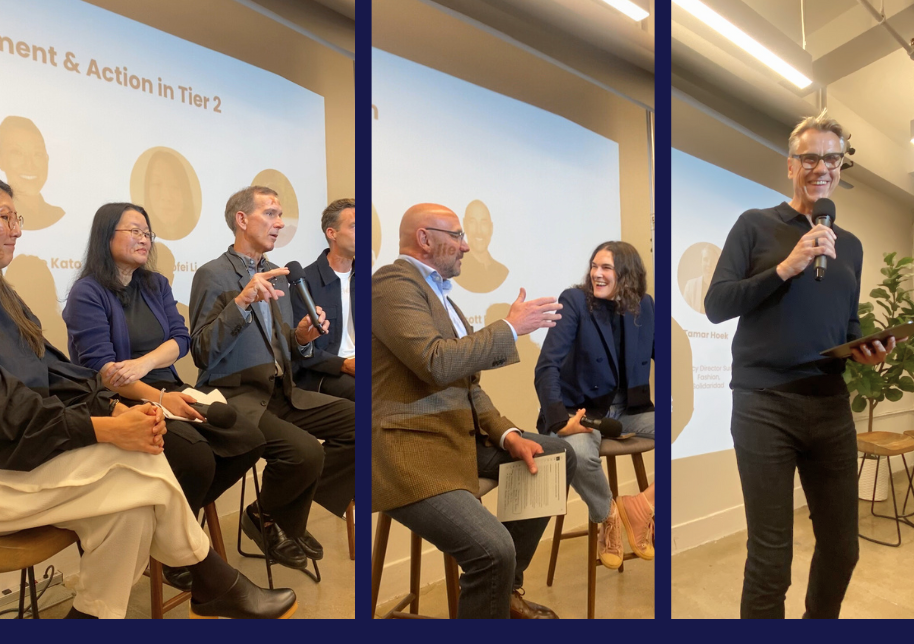
After a networking break, Cascale’s director of Higg Transparency, Chris Marshall, joined the stage to moderate the panel “Climate Engagement and Action in Tier 2.” Speakers included Jimmy Summers, vice president – EHS/sustainability at Elevate Textiles, Inc.; Xiaofei Li, senior manager, material sustainability and transparency at Eileen Fisher; and Stefanie Kato, Worldly associate director of accounts.

“The thing that does motivate us is business — across the board,” said Summers. “One of the promises was that [the Higg Index] would reduce the number of audits — and promise delivered. We went from 12 audits at a facility to maybe three.” Kato spoke of the ways Worldly is match-making brands with suppliers in the same network, so data points are aligned, and. stressed the need for quicker frequency in data. Finally, Li shared how Eileen Fisher is approaching the Tier 2 decarbonization journey. “We worked very hard to have our suppliers adopt Higg FEM. To incentivize that we incorporated Higg FEM in our Tier 1 scorecard and Tier 2 mill scorecard,” she said, confirming the importance of supporting suppliers with  expertise and financing.

In a final session, “Transparency In Action,” Worldly’s Scott Raskin and Natalie Grillon, CEO of Open Supply Hub, explored the potential for data harmonization in facilities. The organizations are in close collaboration offering an API integration for the data.

As moderator, Raskin explored several critical themes during the discussion. He began by asking Grillon to outline the latest developments at Open Supply Hub (OSH), seeking insight into its current priorities and areas of exciting progress. This set the stage for a deeper exploration of industry trends, particularly the movement toward data harmonization within the consumer goods sector, highlighting the growing importance of integrated and standardized data. He also delved into how the adoption of OSH by multi-stakeholder initiatives (MSIs) improves collaboration across supply chains, reflecting his interest in how these partnerships can strengthen supply chain relationships and shared goals. He reinforced that transparency in data is Worldly’s mission.

Grillon gave a recap of her career trajectory working in international development with farmers in countries from Uganda to Mali before founding Open Supply Hub in 2019. Since its launch, Open Supply Hub has expanded its mandate into broader consumer goods and now has nearly 500,000 users today across the value chain, with a target of five million by 2026. Through the platform, users can access information on facility names and locations, as well as organizations affiliated with a specific facility, which promotes shared solutions. “The idea behind these initiatives is shared progress,” Grillon said.