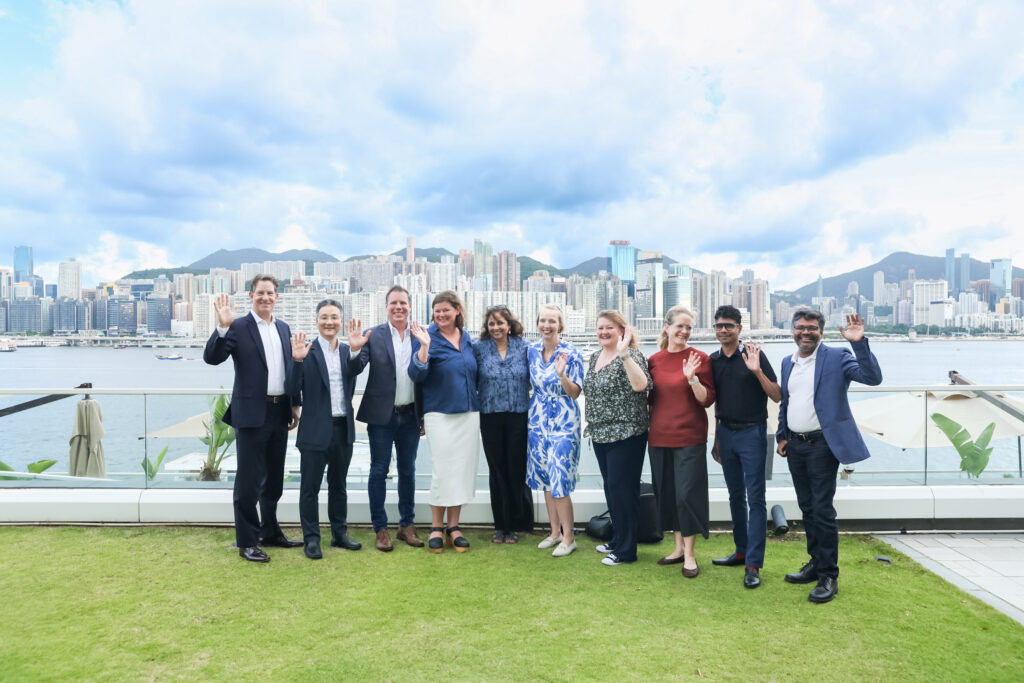
Cascale’s flagship Annual Meeting, which takes place in Hong Kong from September 15 to 17 under the theme “A Movement for All,” will consider how we can come together as an industry to create tangible, and sustainable, business for all. A key focus of the event will be determining next steps to establish responsible purchasing practices – including fairer costing practices – as the norm in global supply chains..
Under Cascale, Better Buying recently issued the “Suppliers’ Perspectives on Solutions for Better Costing.” The report is based on data collected from suppliers by Better Buying through tailored interviews and surveys. It focuses on the costing solutions being deployed, and promoted by brands, multistakeholder initiatives, and other key stakeholders.
The report’s findings and insights reinforce why it’s so important for all of us involved in solution-finding for worker livelihoods to have a seat at the table at every stage to ensure better outcomes. With core competencies in manufacturing and first-hand experience of the importance of fair costing to their businesses, suppliers are critical stakeholders whose expertise and concerns must be brought to the table.
The Reality Check
There’s been a lot of talk around purchasing practices over the past few years, but real change has been slow, patchy, and frustrating. With Better Buying now part of Cascale, there is an unprecedented opportunity to scale up action and create the urgency needed to mainstream responsible purchasing practices across the industry. This year’s Annual Meeting will aim to shift the conversation from intention to action, secure commitment from key players who can bring about the change needed, and ensure suppliers’ and manufacturers’ voices are center stage.
The costing report published today tells us in no uncertain terms that, as far as suppliers are concerned, their brand and retailer customers’ costing prices simply aren’t cutting it. Fewer than half of suppliers report that they are being paid prices that cover fully compliant production. Of those in the majority whose total costs are not covered, more than eight out of 10 (81.9 percent) say that the prices they were getting don’t even cover basic costs, like raw materials, component parts, and labor.
Ring-Fencing Labor Costs – A Waste of Time?
Suppliers tell us that cost models that fail to include accurate information on all cost variables will inevitably lead to far too low estimates of the costs of the final product. But when they do provide detailed information about their costs, it is sometimes used in nefarious ways by buyers to pit them against other suppliers in order to drive down prices. And interestingly, the practice of “ring-fencing” labor costs within cost models is seen by suppliers as unnecessary and not connected to the payment of better living wages, which chiefly depends on the total FOB price being paid. This practice is currently popular with and required by some buyers and multi-stakeholder initiatives.
This is welcome fodder to forthcoming discussions in Hong Kong about how we root out these poor practices once and for all, and act collaboratively to embed responsible purchasing practices.
In the long run, everyone in the supply chain can benefit from reducing costing pressures, fostering good communication and dialogue, promoting better forecasting methods, embracing a willingness to compare suppliers fairly, and costing in the context of forming long-term business relationships.